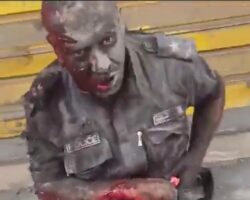
MAYAKOVSKOYE, KALININGRAD OBLAST, RUSSIA – OCTOBER, 1944 In the autumn of 1944, World War II was approaching its end. Germany had been pushed back after years of fighting, and the Red Army, the armed forces of the Soviet Union, was advancing from the east toward German territory itself. It was during this advance that an event took place in the East Prussian village of Nemmersdorf, which later became one of the most well-known cases of violence associated with the advance of Soviet forces.
At the time, Nemmersdorf was located in East Prussia, a German province near the border with the Soviet Union. Today, the place is called Mayakovskoye and lies in Russia’s Kaliningrad Oblast. On October 21, 1944, units of the Red Army captured the village during an operation in which Soviet forces first reached pre-war German territory.
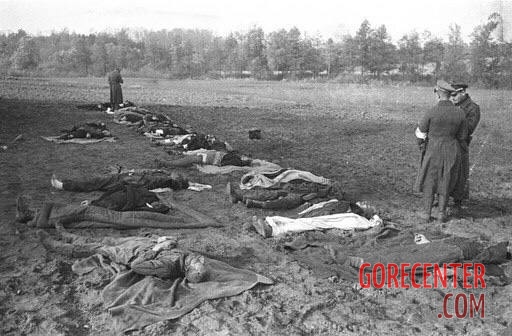
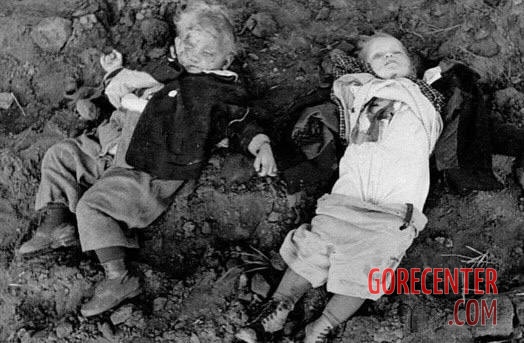
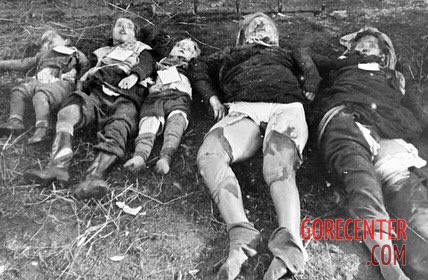
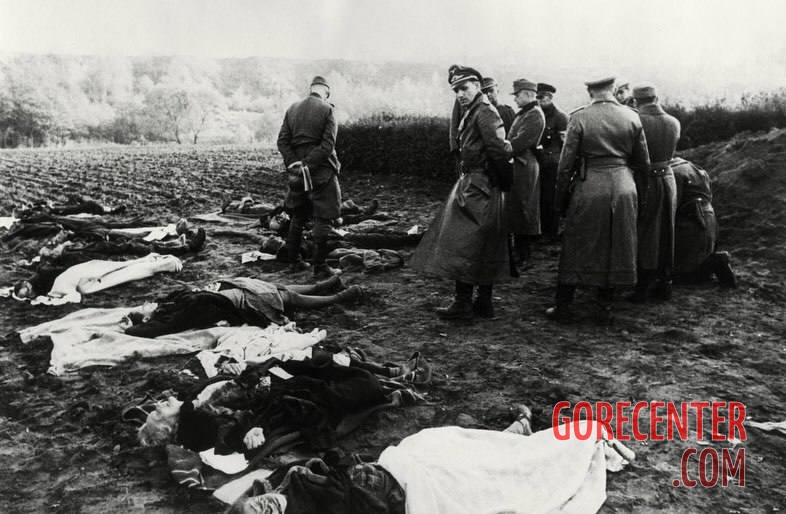
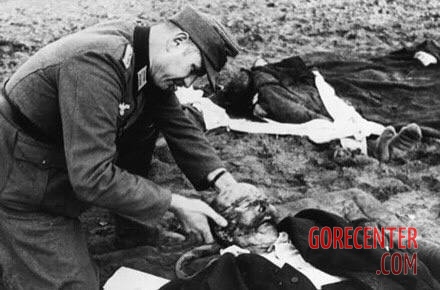
However, Soviet control over the village did not last long. The German army launched a counterattack and recaptured Nemmersdorf after brief fighting. When German soldiers entered the village, they found dozens of dead civilians and prisoners of war there. Reports then began spreading that Soviet soldiers had committed murders, rapes, and other acts of violence during their occupation of the village.
According to later historical research, killings of civilians and acts of violence against local residents and prisoners did indeed take place in Nemmersdorf. Among the victims were women, men, and elderly people. However, some of the most extreme accounts that appeared shortly after the event, such as claims of mass crucifixions of women on barn doors, remain disputed among historians, and some researchers believe they were later altered or exaggerated.
The event was immediately used by Nazi Germany for propaganda purposes. At the time, the Nazi regime was trying to convince the German population to continue fighting against the Soviet Union, despite Germany’s desperate military situation. Nemmersdorf was presented as evidence of the alleged brutality of the Red Army, and photographs of dead civilians were published in German media to create fear and hatred toward the advancing Soviet troops.
After the war, the case became the subject of long-lasting disputes. Soviet historiography often rejected the event as a Nazi fabrication, while post-war German sources sometimes described it in ways influenced by the original propaganda. Modern historians today generally agree that violence and killings of civilians did occur in Nemmersdorf, while also pointing out that some details were likely deliberately distorted.
The Nemmersdorf massacre became a symbol of the broader problem that accompanied the Red Army’s advance into Germany in 1944 and 1945. Soviet soldiers came from a country that had suffered enormous losses and atrocities during the German invasion and occupation, which led some soldiers to seek revenge. In some areas, this resulted in the killing of civilians, looting, and widespread sexual violence.
READ MORE:
https://en.wikipedia.org/wiki/Nemmersdorf_massacre
This post has been tagged as a "child warning" and may contain minors. It has been published because it is informative or educational, may be relevant to the research of invesigative journalists, or could be misused as fake news in hybrid warfare.
It is strictly forbidden to sexualize a minor in any way in the comments below the post. It is also forbidden to upload uncensored images in comments. Such behavior will result in a perpetual BAN or providing your information to the police.
If you notice such behaviour, please report it by using the red flag icon.