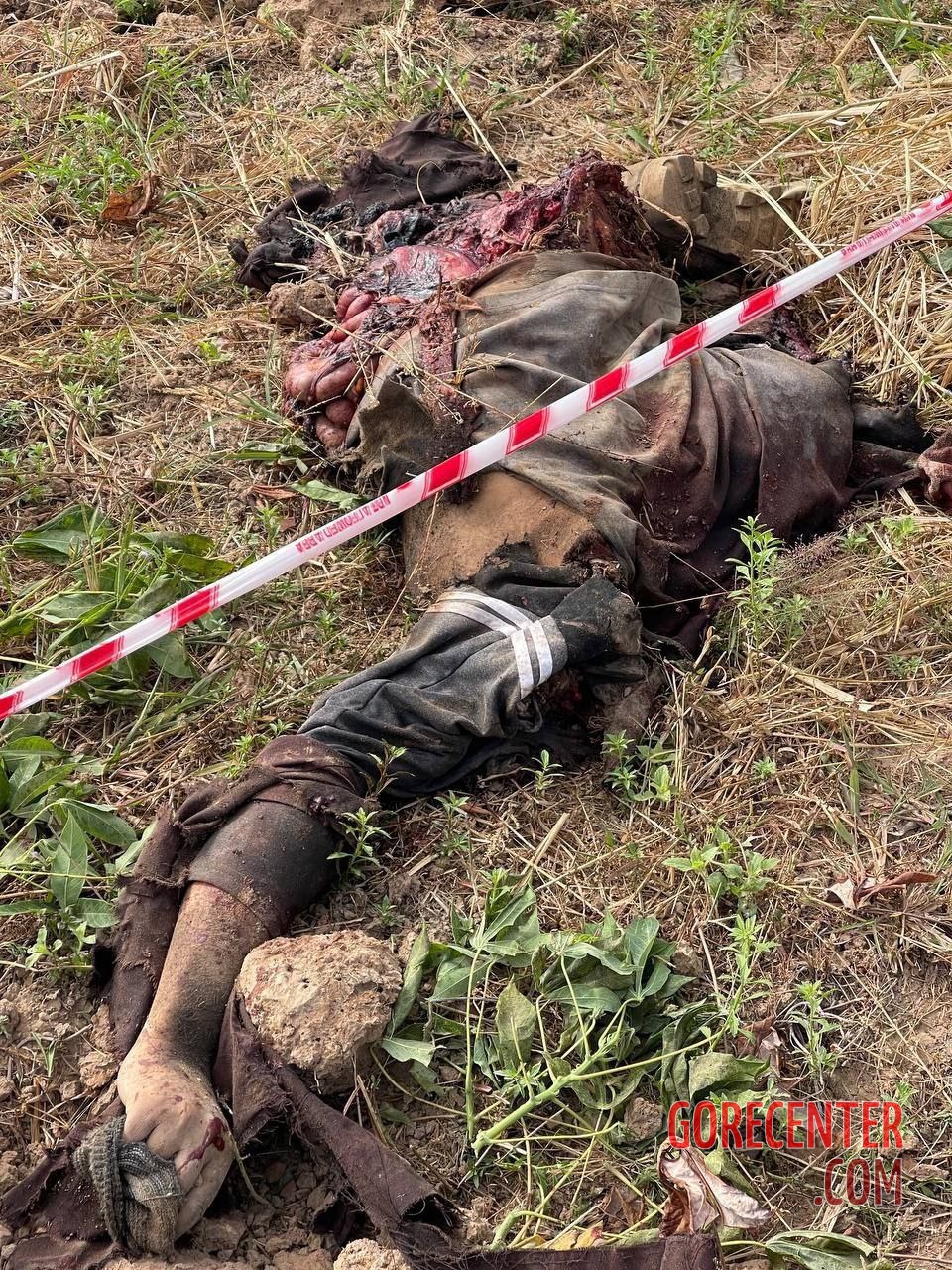
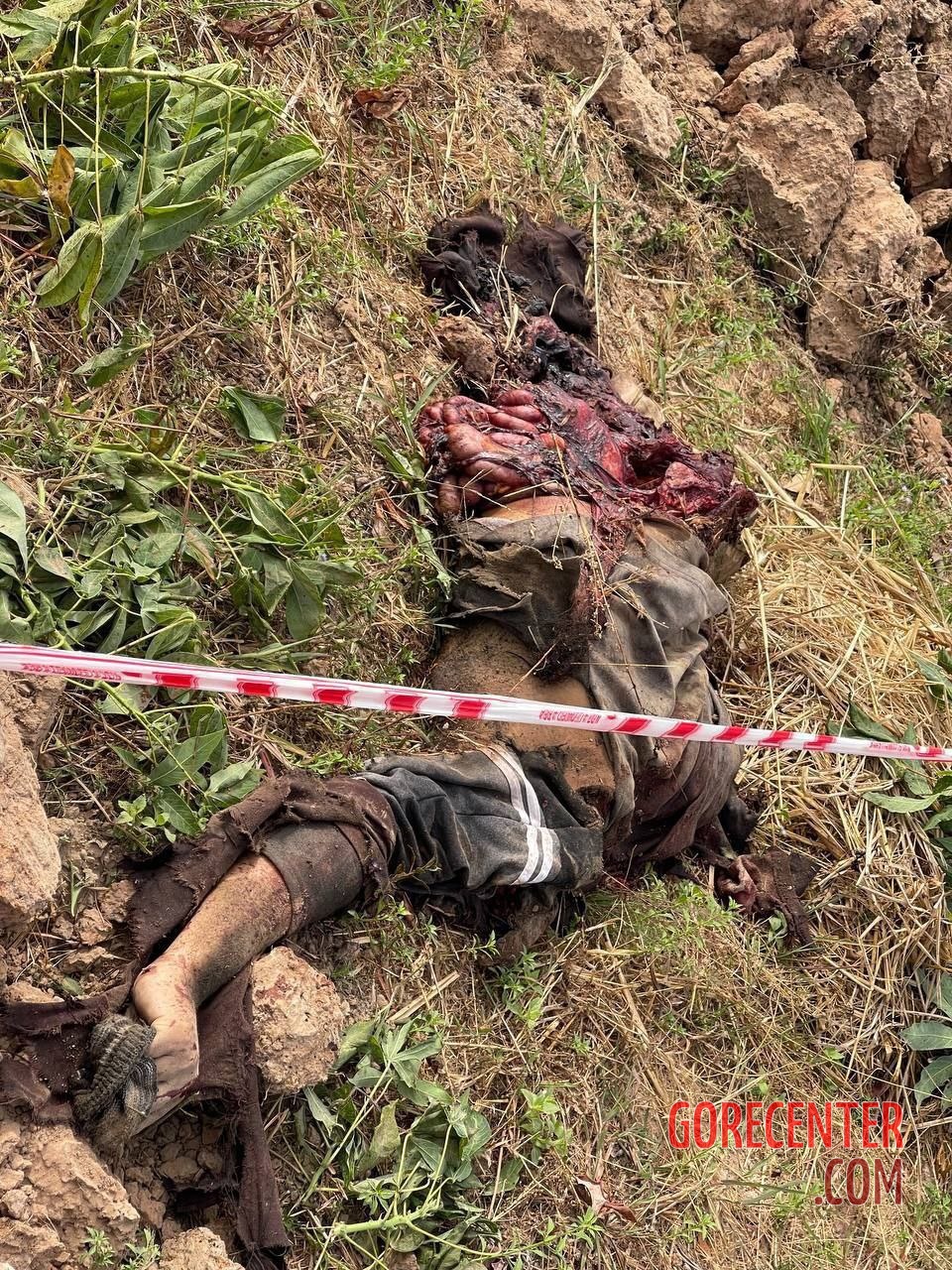
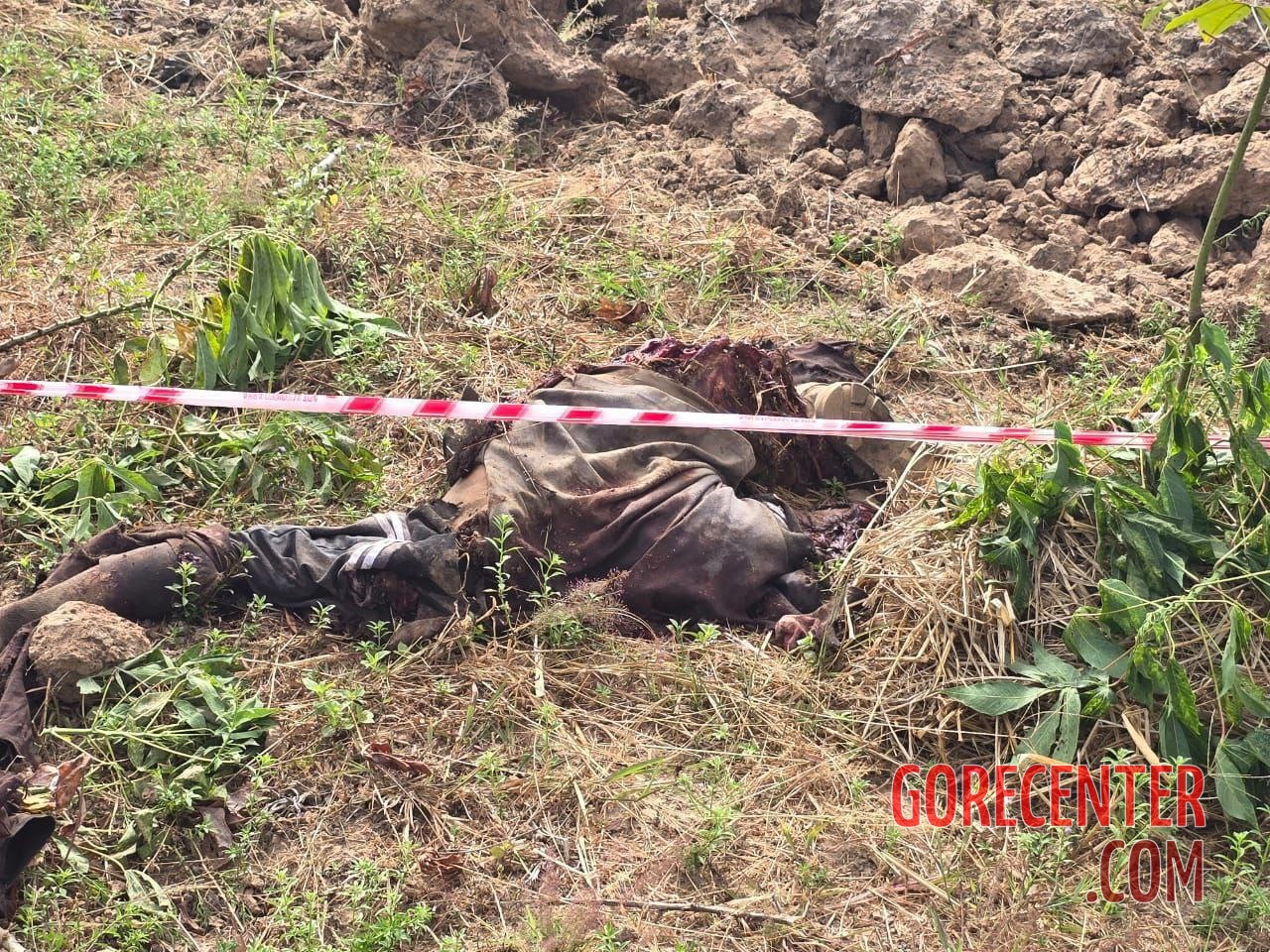
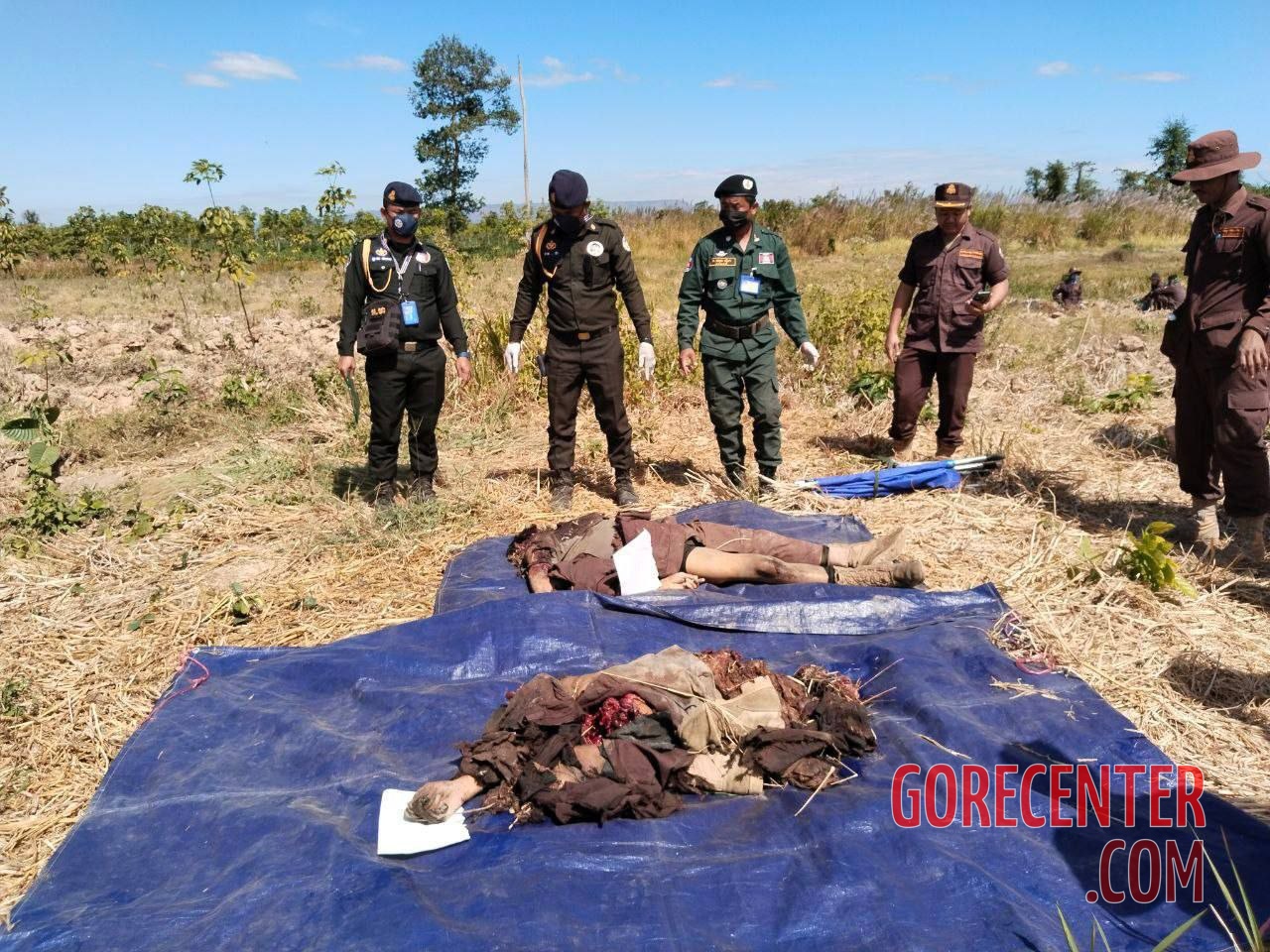
TRAPEANG PRASAT DISTRICT, ODDAR MEANCHEY PROVINCE, CAMBODIA – JANUARY 16, 2025 Two members of Cambodia’s Cambodian Mine Action Centre (CMAC), Pov Nepin and Oeun Chandara, lost their lives during a demining operation on agricultural land in the Trapeang Prei area. While working, they encountered an old anti-tank mine, which unexpectedly exploded. Both men sustained fatal injuries and died at the scene.
-

- Pov Nepin

-

- Oeun Chandara

Both men were members of CMAC’s first demining team. Their task was to locate and safely remove explosive devices left behind across the Cambodian landscape after decades of armed conflicts.
To understand the danger the two men faced, it is necessary to know Cambodia’s modern history. For several decades, the country was the scene of wars and internal conflicts. During the fighting in the 1970s, 1980s, and 1990s, various armed groups and military units scattered millions of landmines across the country. They were primarily used to protect military positions, secure strategic areas, and prevent enemy forces from moving through certain locations. The Khmer Rouge also played a significant role, using landmines extensively during their battles against government forces.
The problem is that the end of the war did not mean the end of the danger. Mines remained buried underground, often without accurate records of their locations. Over time, they became covered by vegetation, soil, or water, making them virtually invisible. To this day, they can still be found in forests, fields, and near villages where people live and work. In addition to landmines, unexploded aerial bombs, grenades, and other ammunition left over from past conflicts also pose a threat.
In this particular case, the explosive device was an anti-tank mine originally designed to destroy or immobilize military vehicles. According to Cambodian authorities, it had been laid in the area by Khmer Rouge forces between 1982 and 1989, when intense fighting was taking place there. The minefield was located near a road used by local residents and agricultural land. For this reason, local people had asked authorities to inspect and safely clear the area so they could cultivate their land without fear.
Cambodia is among the countries most heavily affected by the remnants of wartime explosives. It is estimated that approximately four to six million landmines and other explosive devices were deployed across the country during several decades of conflict. Since 1979, explosions involving old ammunition have claimed nearly 20,000 lives, while approximately another 45,000 people have been injured or lost limbs. Although demining organizations have already cleared extensive areas, dangerous locations can still be found throughout many parts of the country.
READ MORE:
https://cambodianess.com/article/two-deminers-killed-in-explosion
https://www.thestar.com.my/aseanplus/aseanplus-news/2025/01/16/two-deminers-killed-in-explosion-in-cambodia039s-oddar-meanchey-province
https://apnews.com/article/landmine-cambodia-killed-cmac-khmer-rouge-c4468881e8805a3106c56f8a2e664d34
https://www.thejakartapost.com/world/2025/01/18/two-cambodian-deminers-killed-by-anti-tank-mine
https://english.cambodiadaily.com/2025/01/17/2-cambodian-experts-were-killed-as-they-attempted-to-remove-an-anti-tank-mine-from-a-rice-field/
https://www.thestar.com.my/aseanplus/aseanplus-news/2025/01/17/two-cambodian-deminers-killed-in-clearance-of-anti-tank-mine