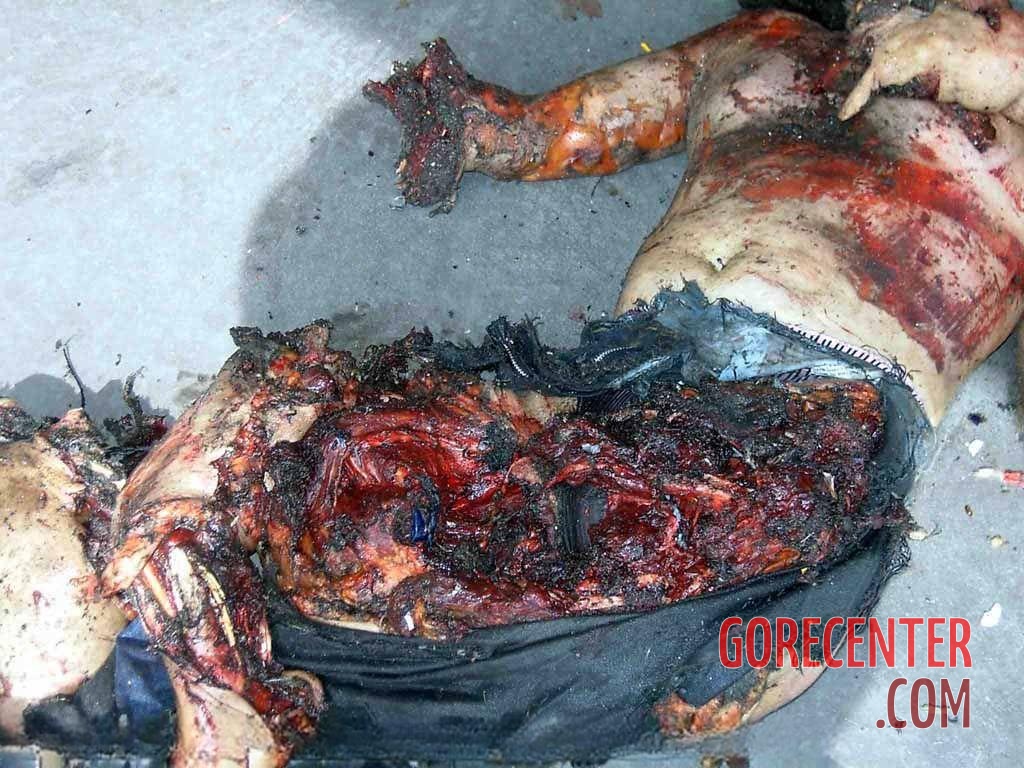
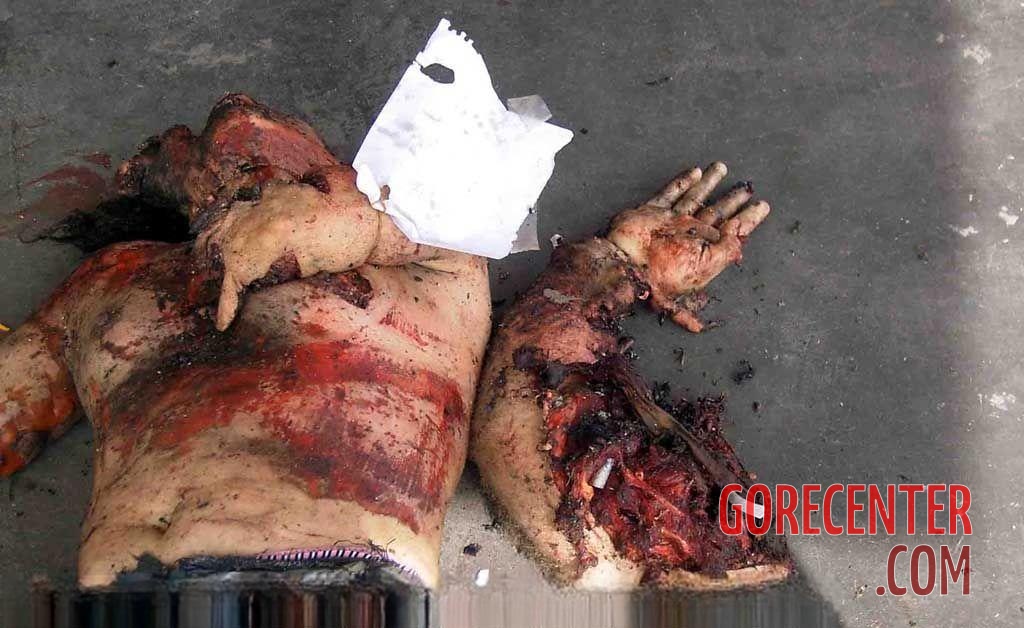
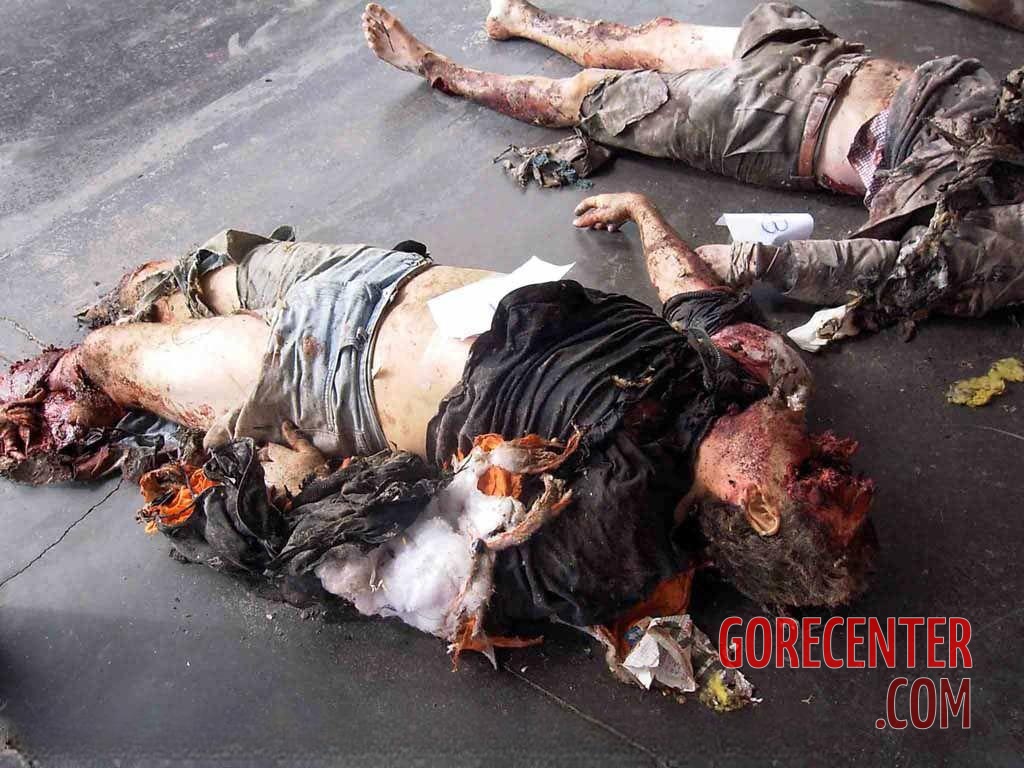
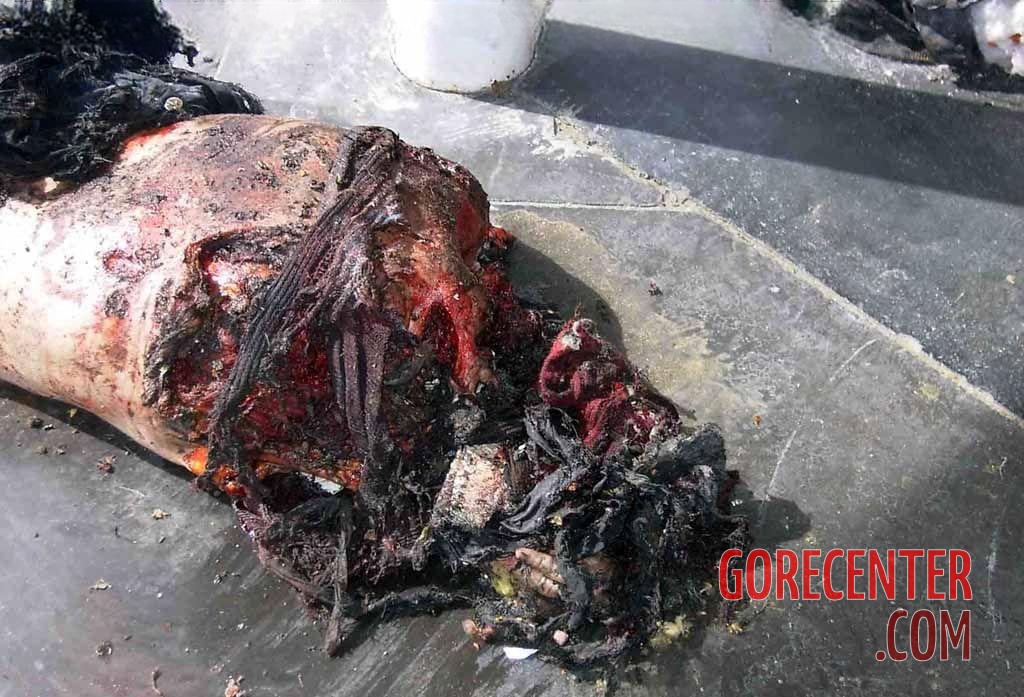
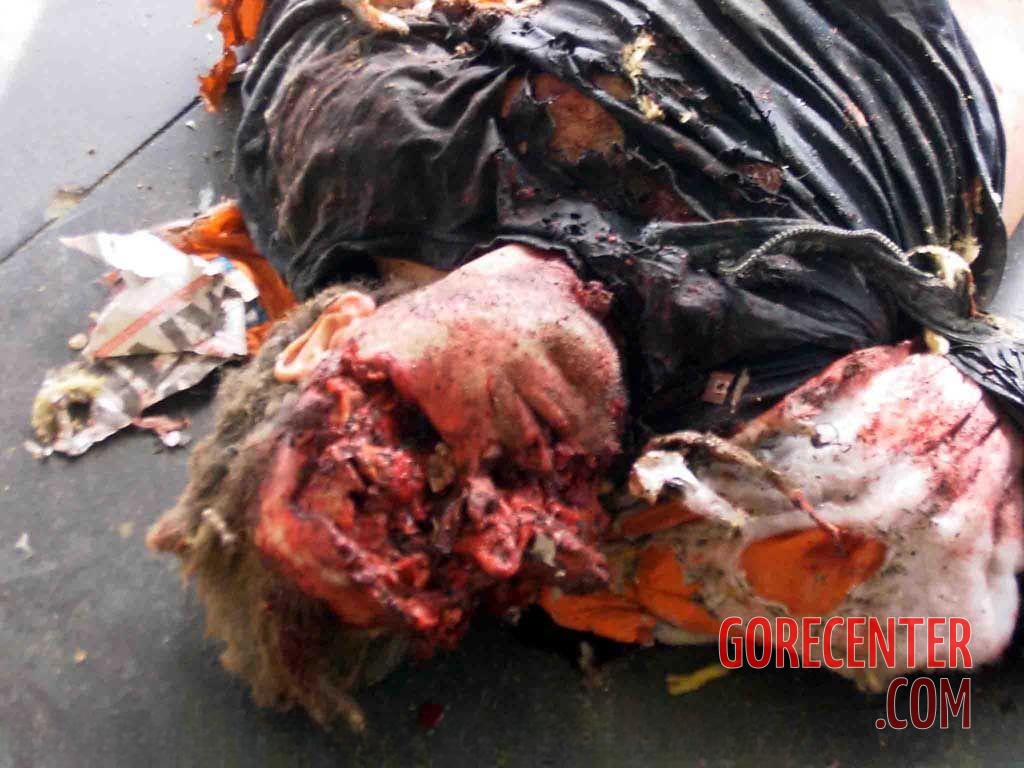
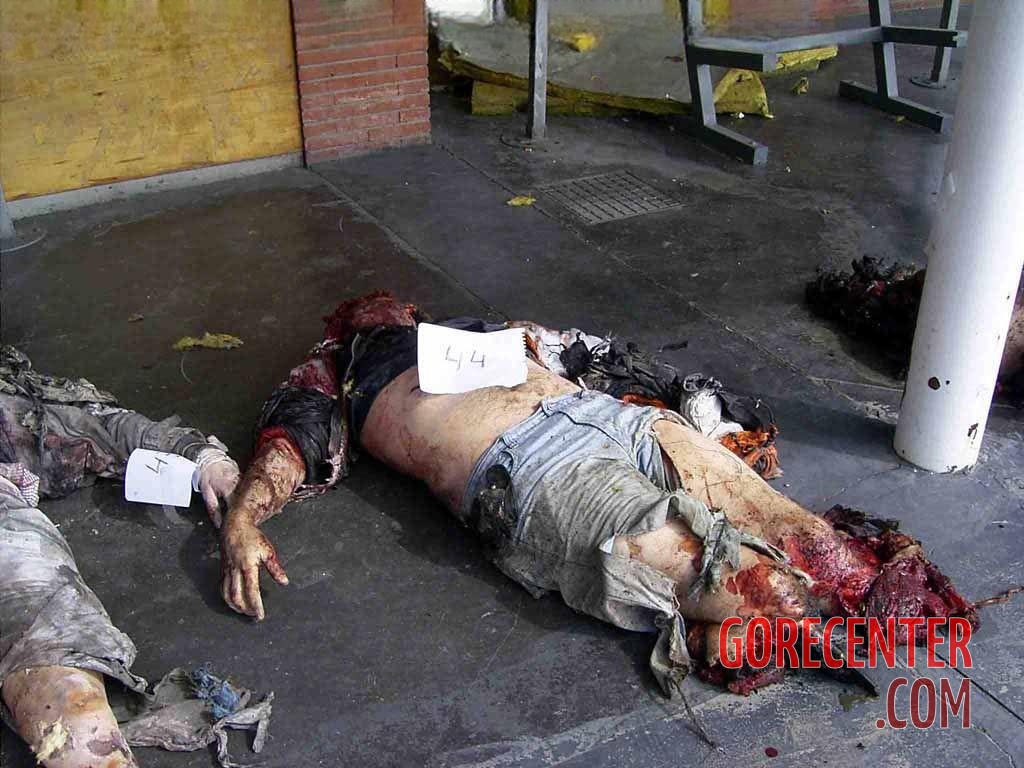
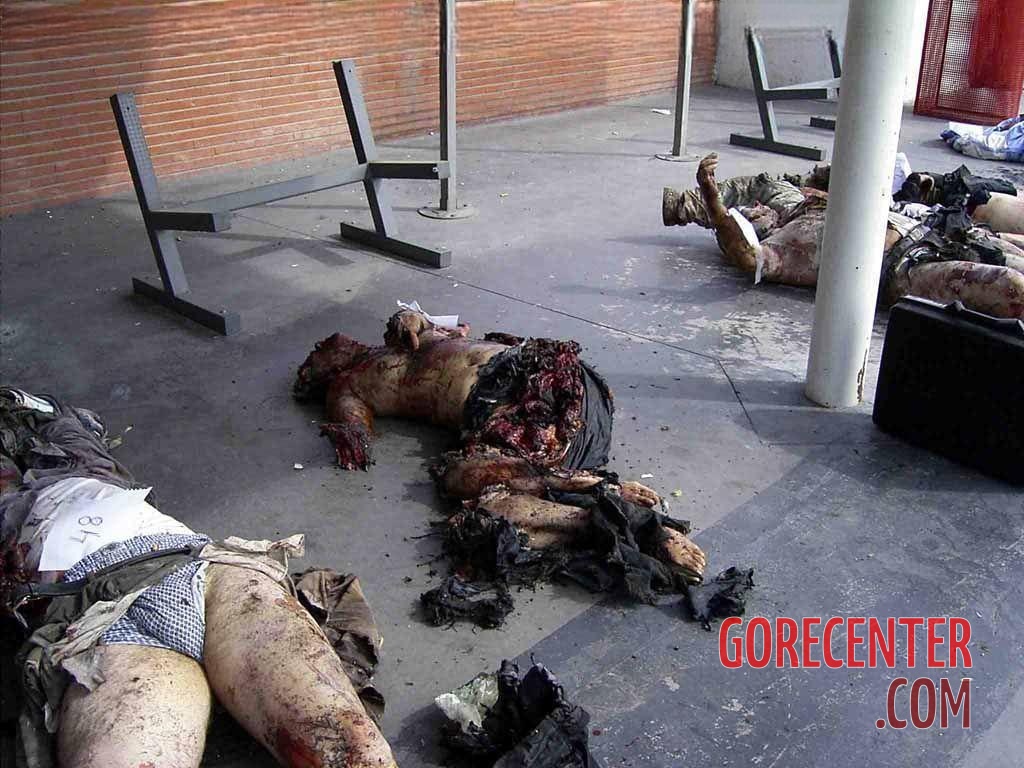
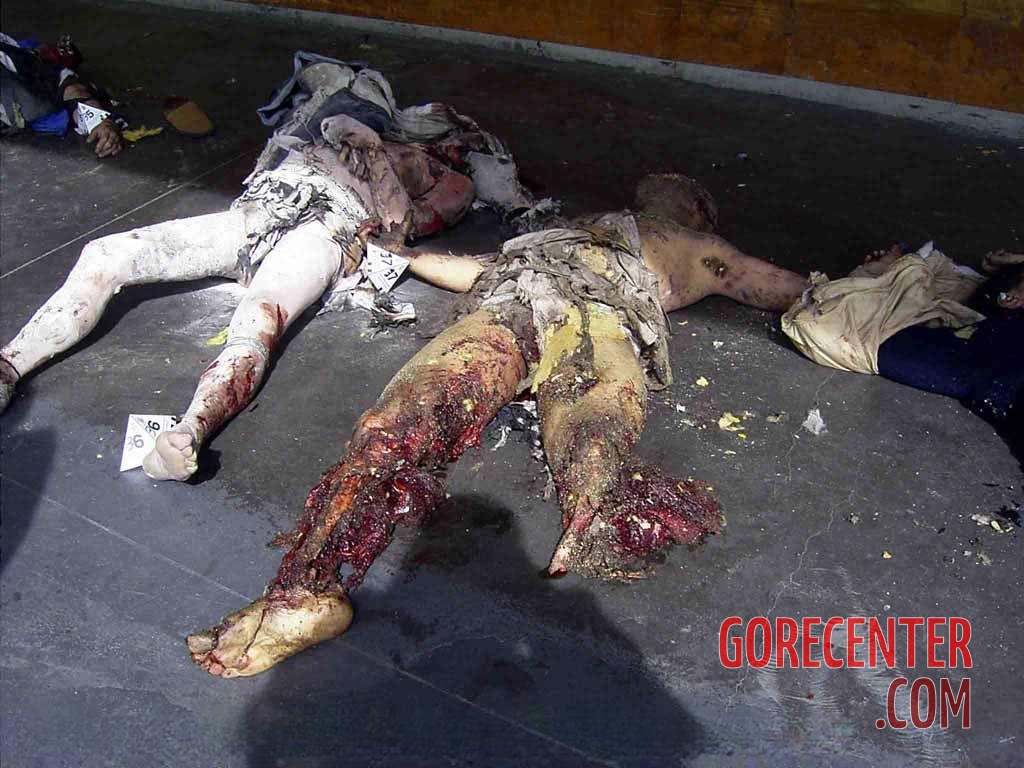
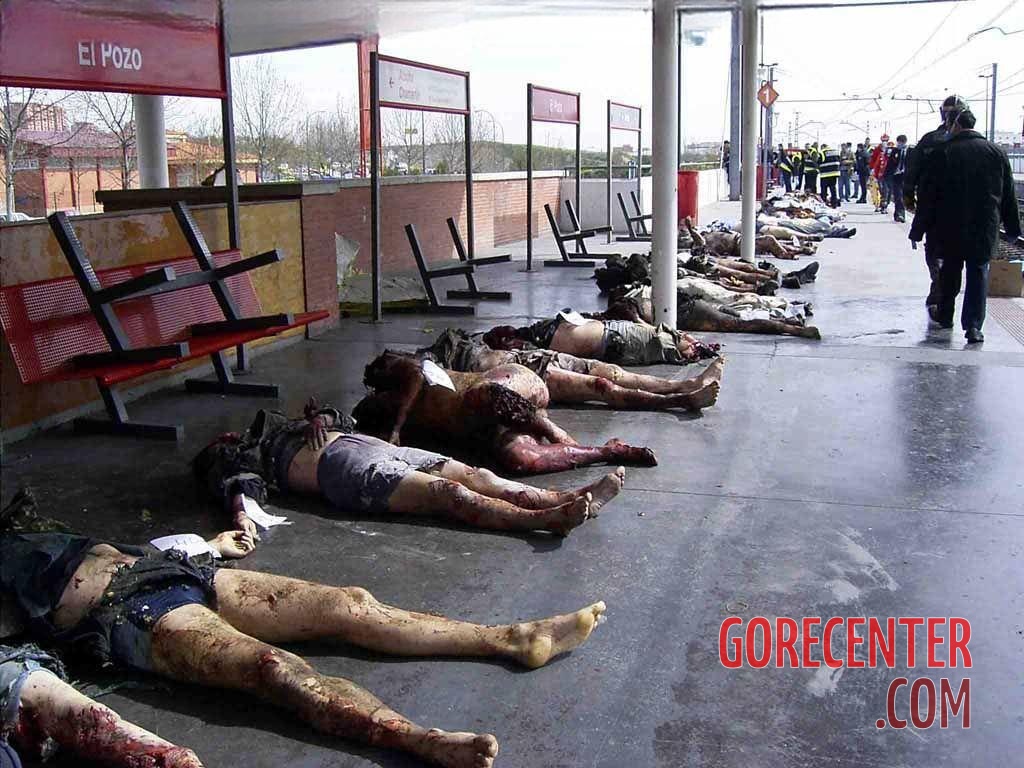
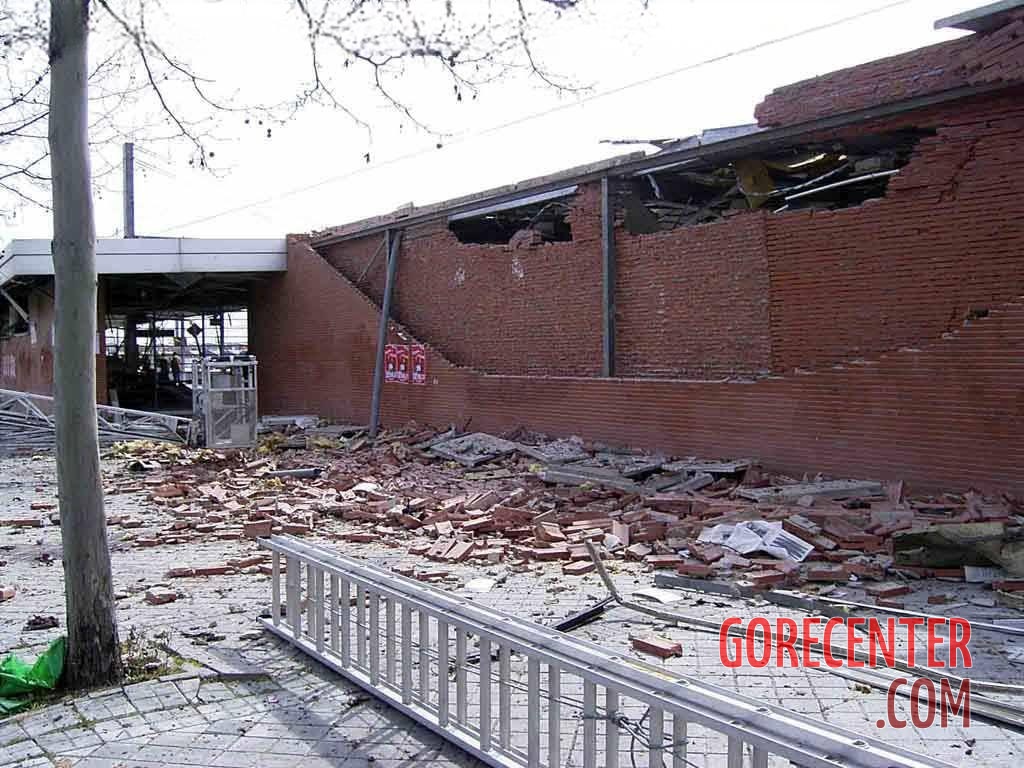
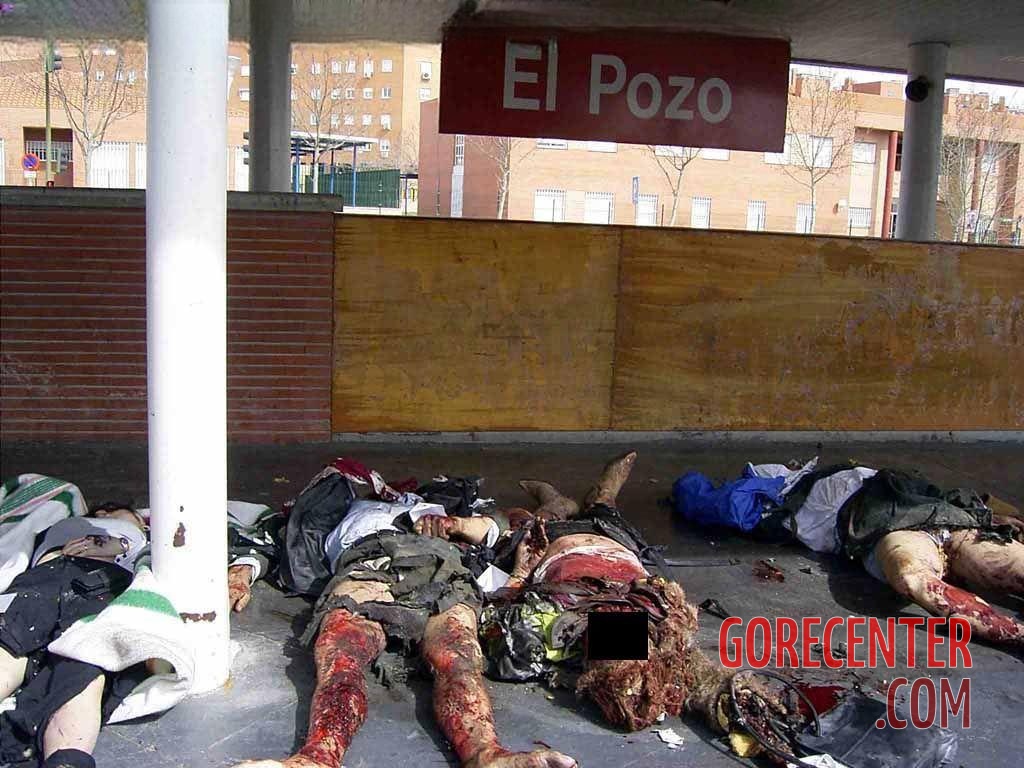
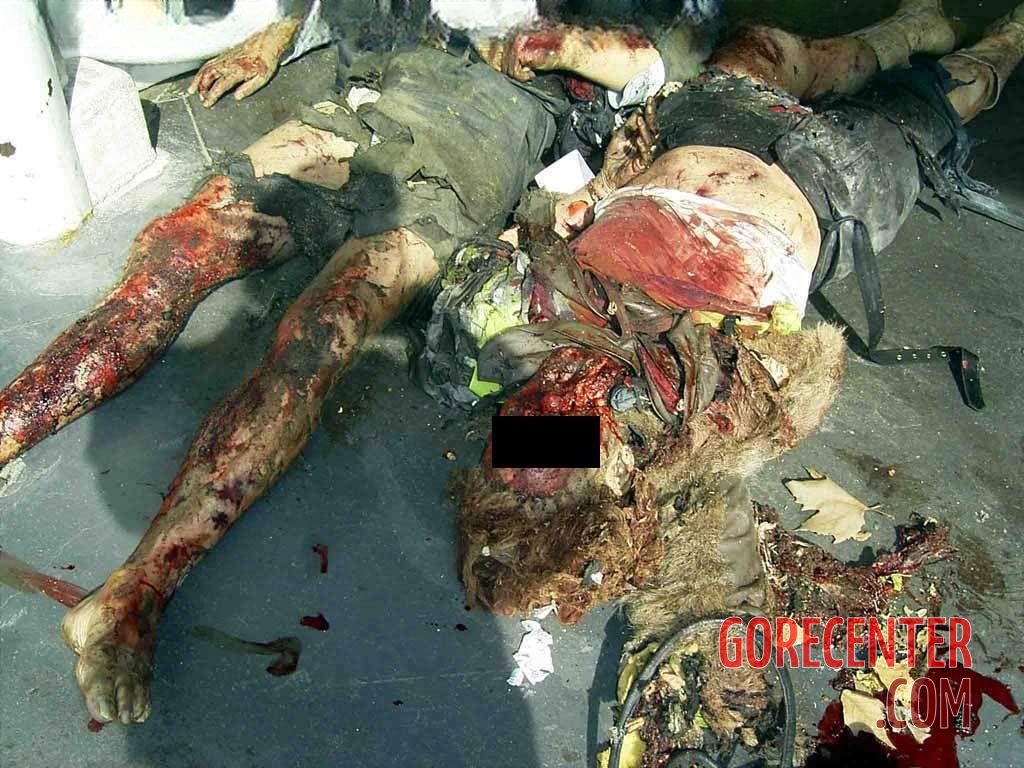
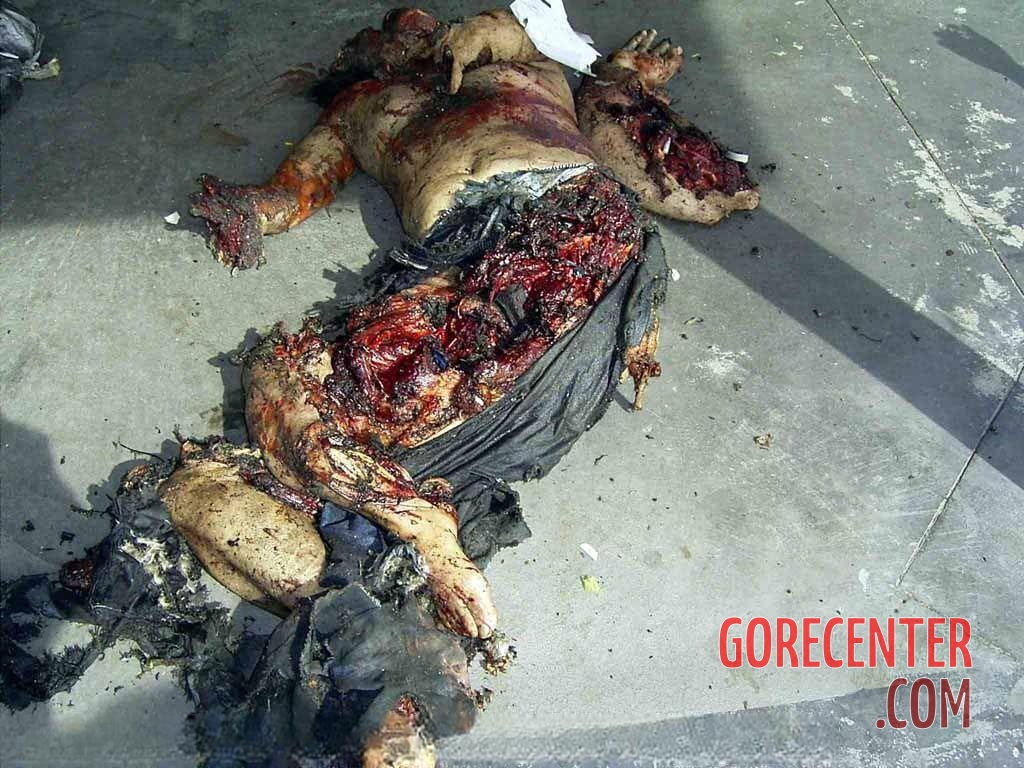
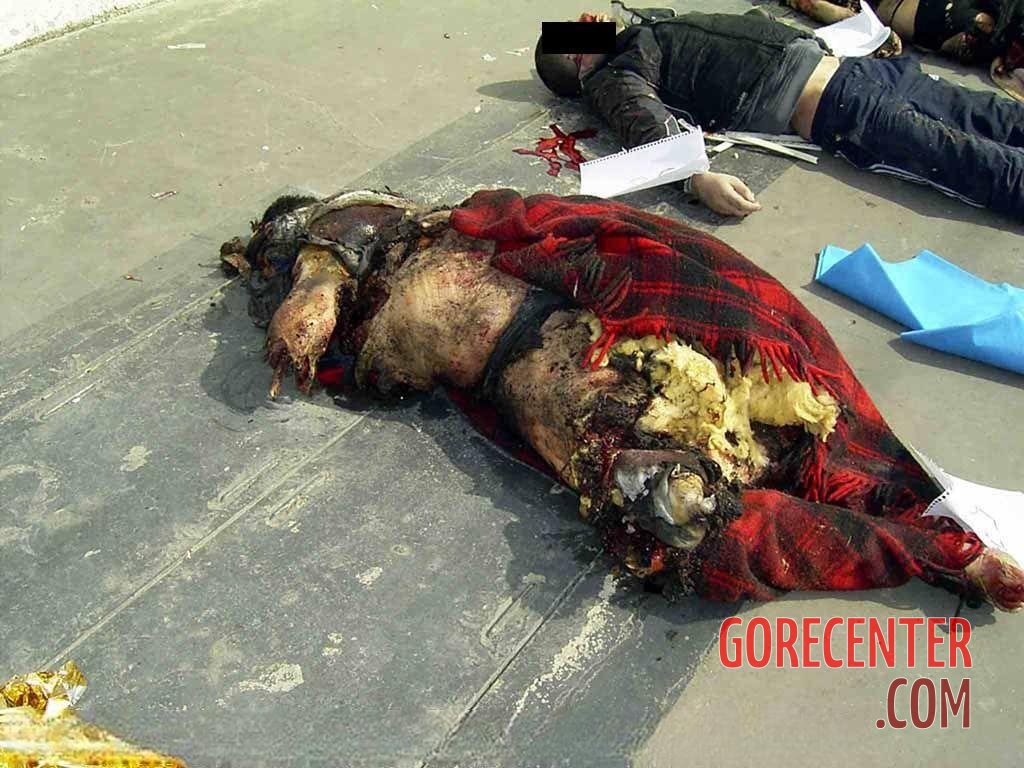
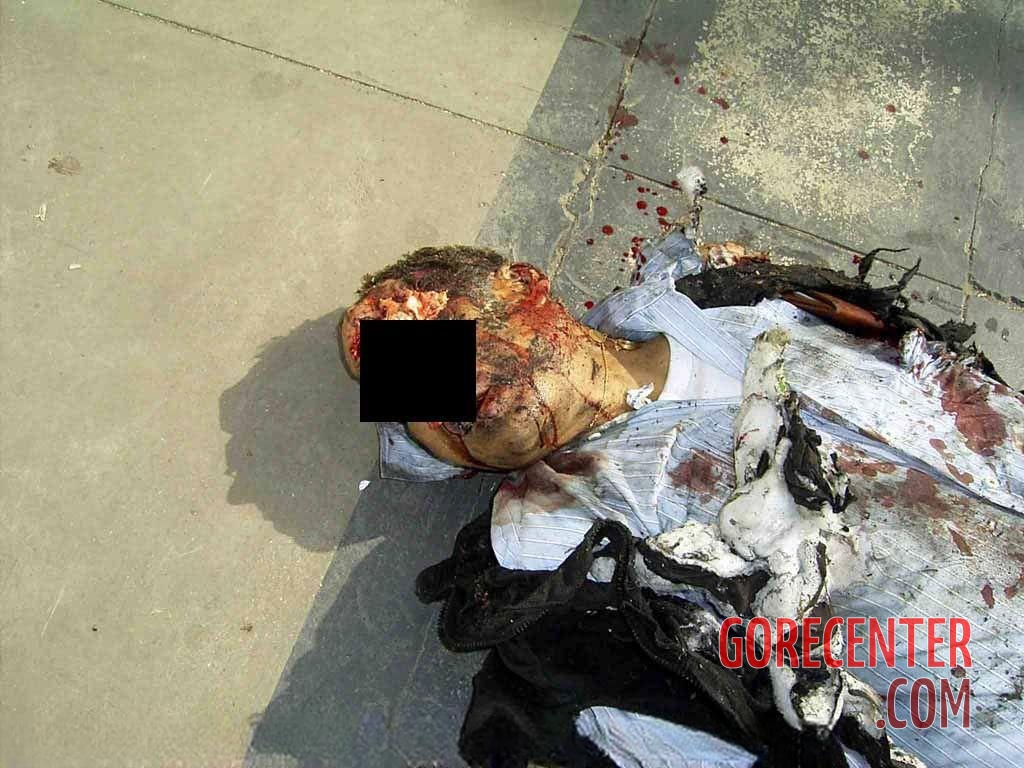
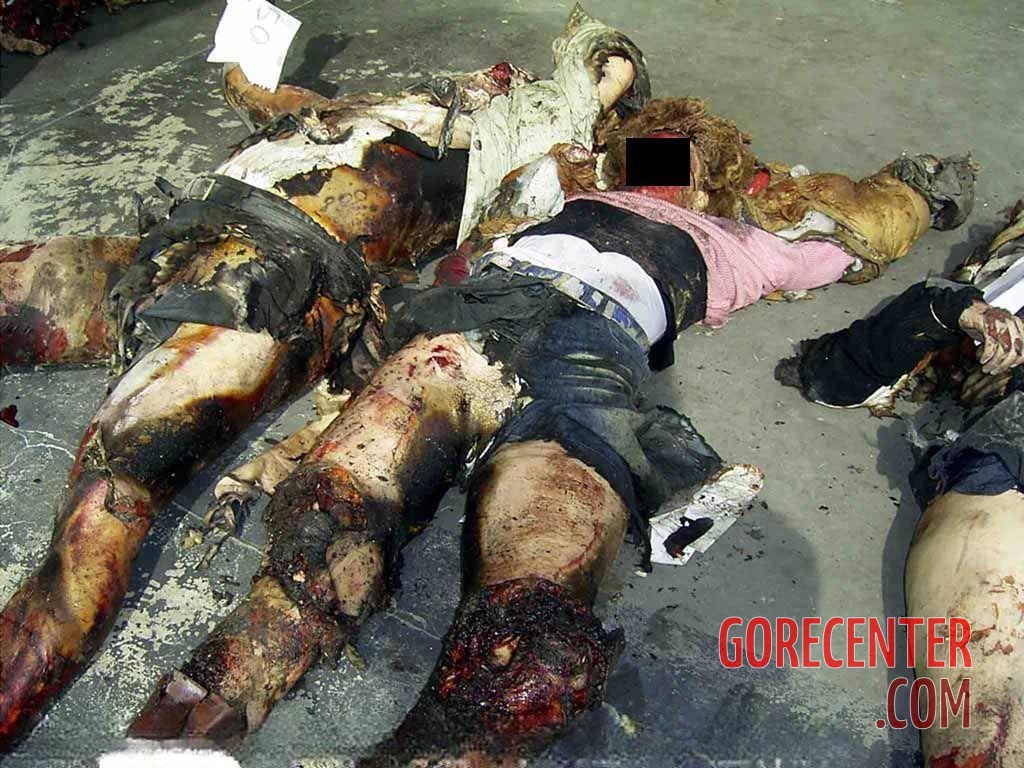
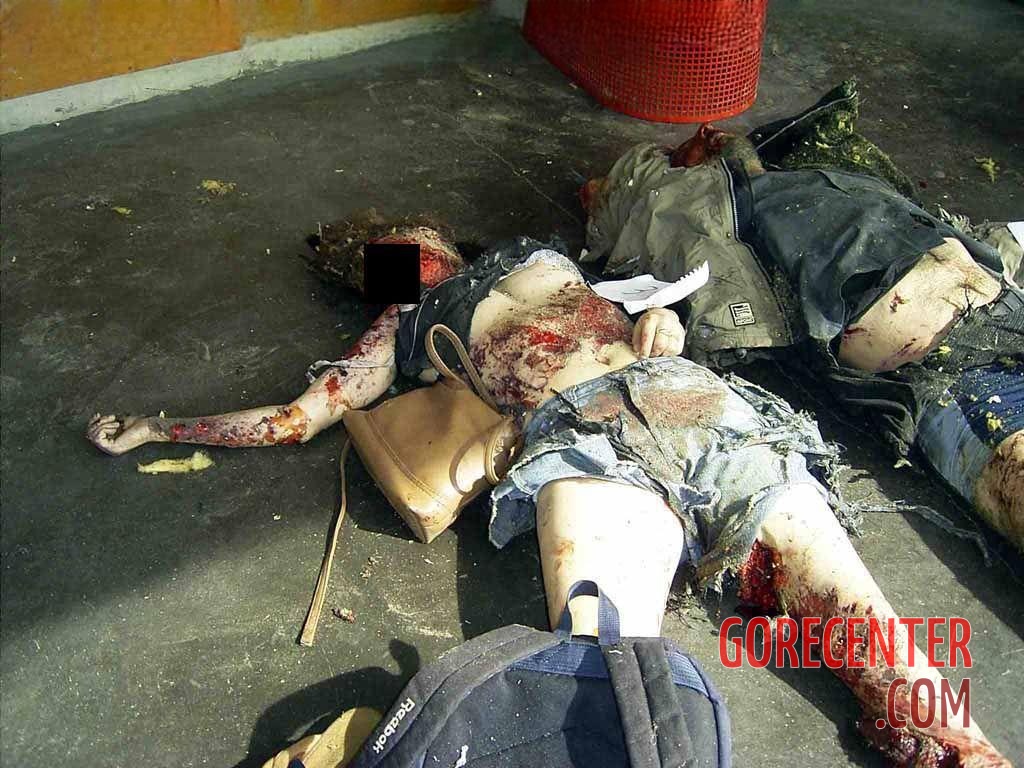
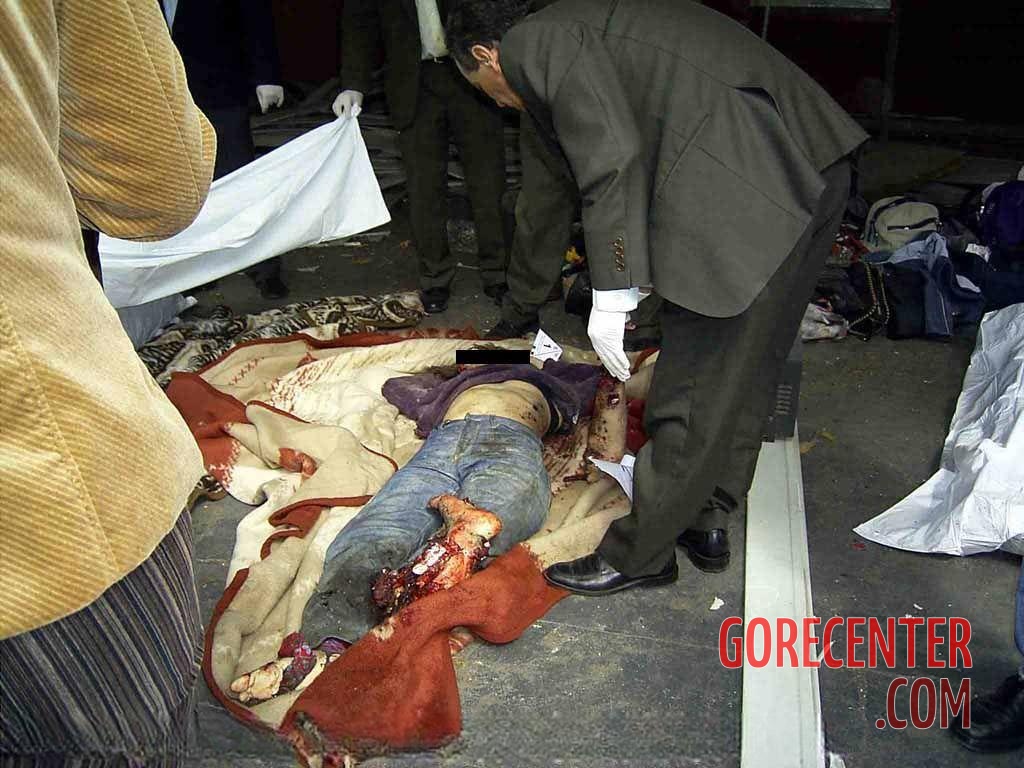
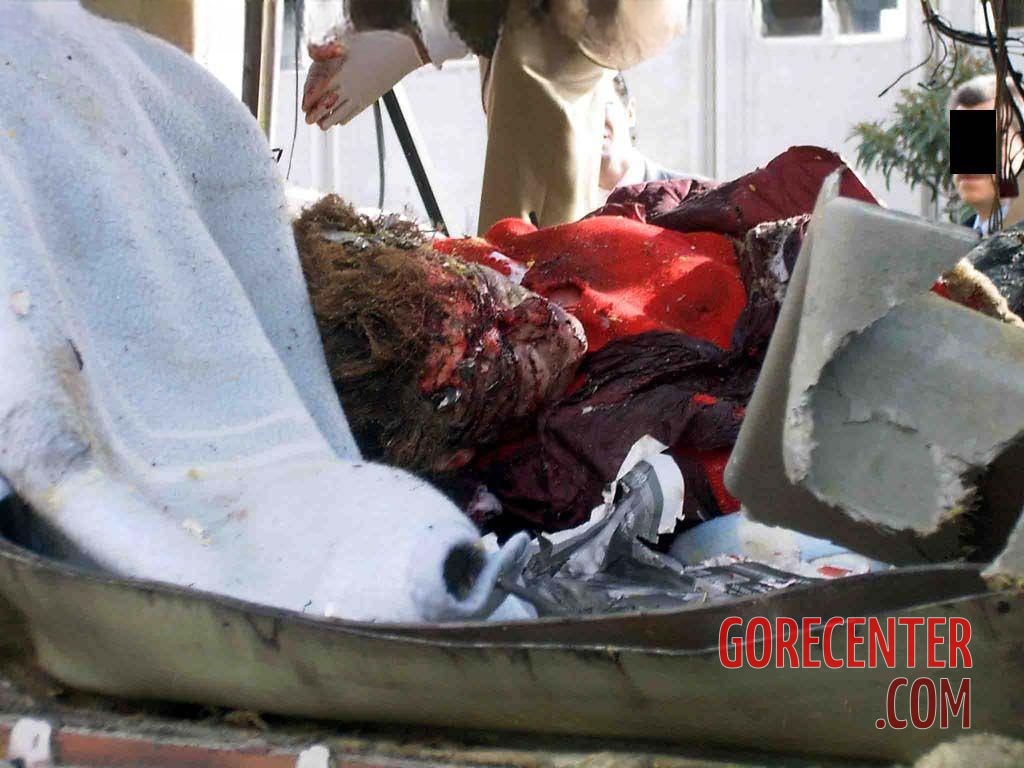
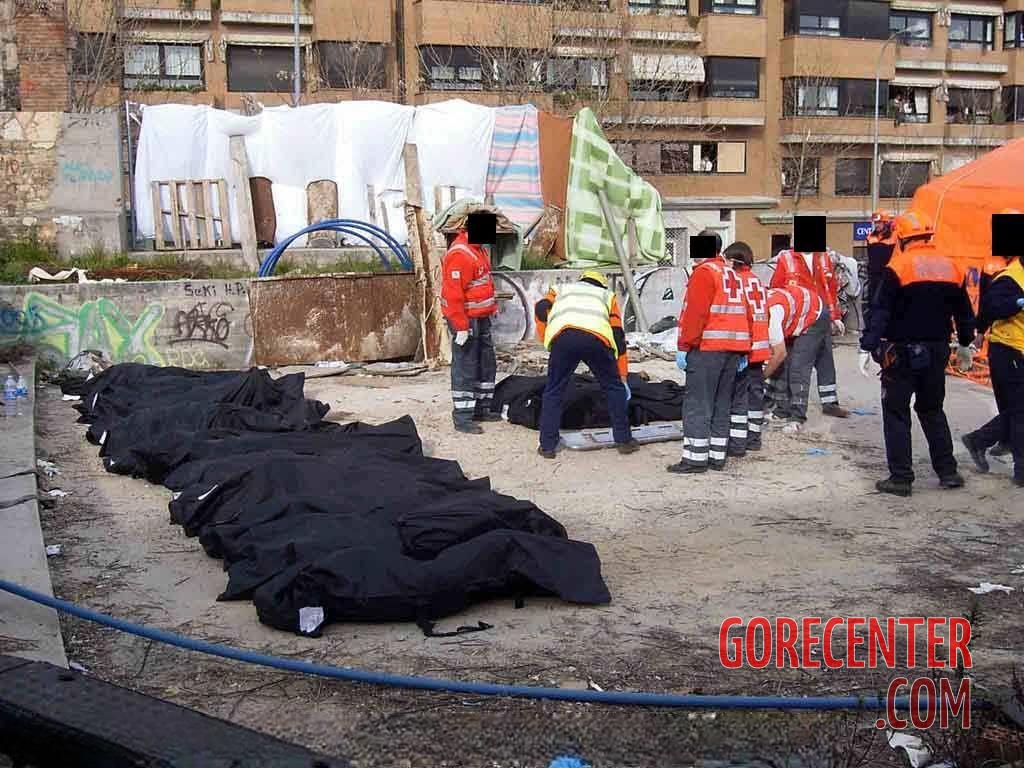
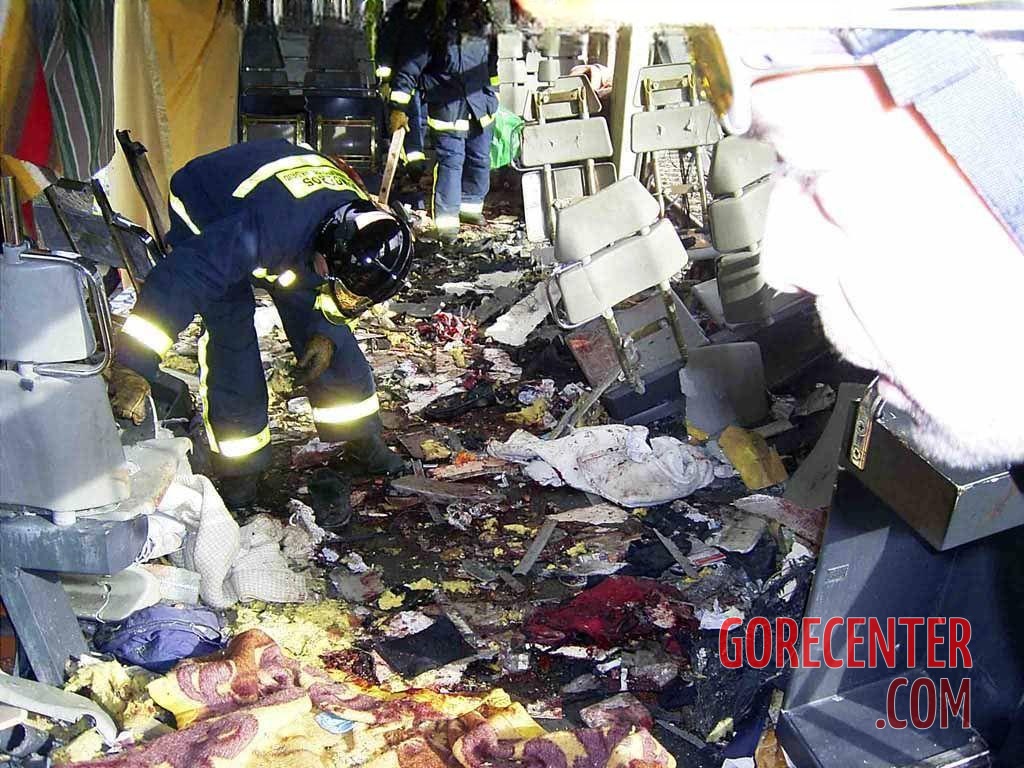
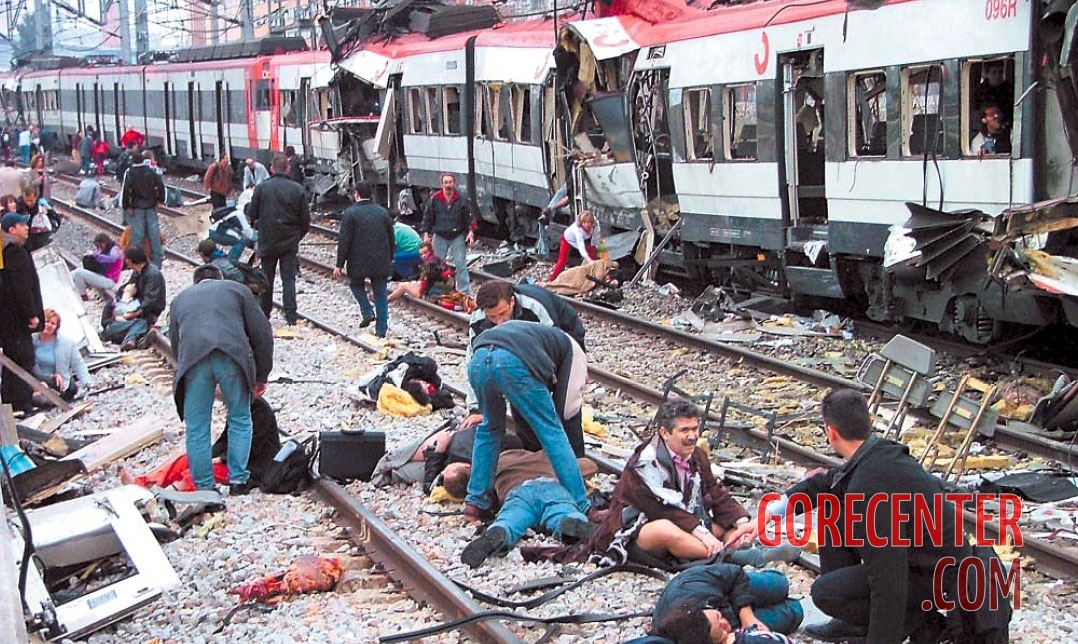
MADRID, SPAIN – MARCH 11, 2004 Madrid bombings, also known as “11-M”, were one of the worst terrorist attacks in modern European history. In the morning during rush hour, a series of coordinated explosions occurred on Cercanías commuter trains heading into central Madrid. Within minutes, a total of ten bombs placed in backpacks exploded on four different trains, with detonations occurring between 7:37 and 7:40, at a time when the trains were full of people traveling to work and school. The explosions also hit, among other places, the Atocha main station area and other busy sections of the railway network.
Approximately 193 people were killed in the attacks and more than 1,800 to 2,500 others were injured, making it the deadliest terrorist act in Spain’s history. Investigations later showed that the attack was carried out by a group of radicalized Islamist militants linked to extremist networks inspired by al-Qaeda. The motive was mainly a response to Spain’s participation in the Iraq War, which was supported by the government at the time. However, immediately after the attacks, Spanish authorities initially suspected the Basque separatist organization ETA, which led to significant confusion, political tension, and criticism of the government over how it informed the public.
The events also had major political consequences, as they took place just three days before parliamentary elections. The subsequent wave of public outrage and mass demonstrations, in which people demanded truthful information and transparency in the investigation, significantly influenced the election outcome, in which the then ruling party suffered defeat. In 2007, a trial was held during which 21 people were convicted for involvement in the attacks or related activities, including terrorism and murder. The Madrid attacks remain a reminder of the scale and impact of modern terrorism in Europe, and the victims are commemorated every year.











READ MORE:
https://en.wikipedia.org/wiki/2004_Madrid_train_bombings
//ADD INTO POST – JUNE 27, 2026: Thanks to “Tahaahmadi” for adding a photo.