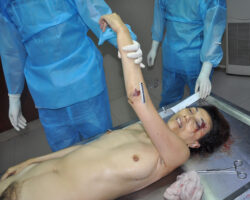
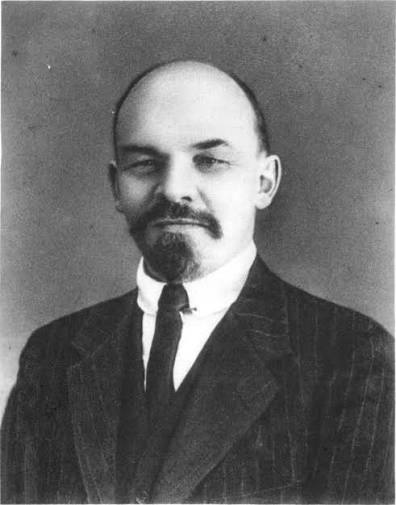
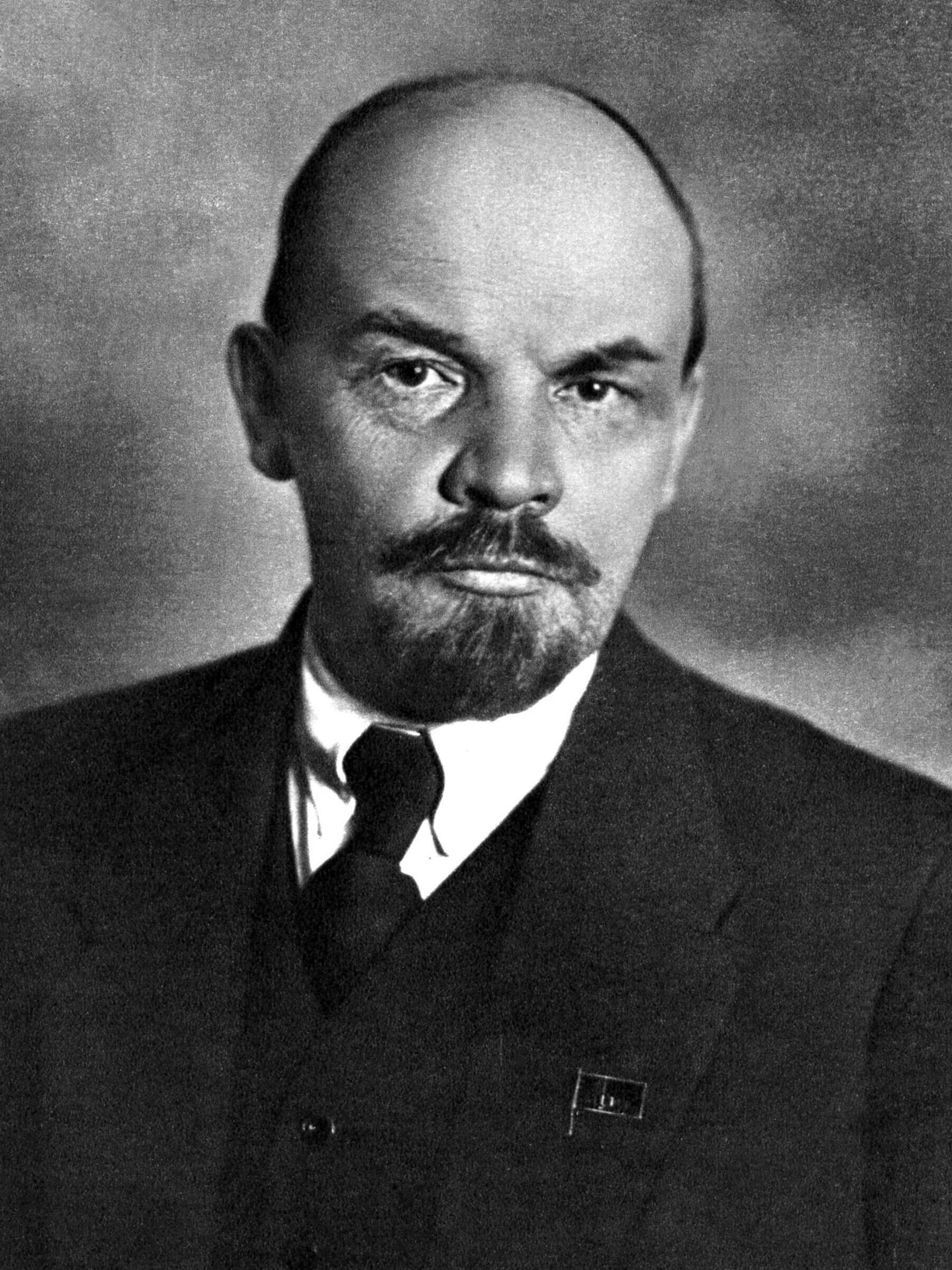
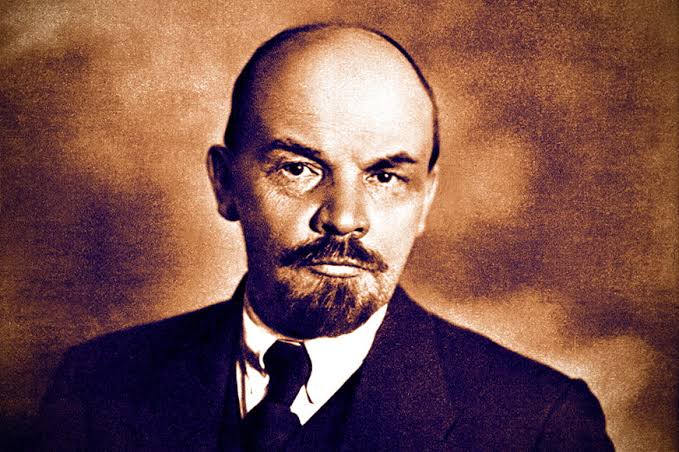
MOSCOW, SOVIET UNION (RUSSIA) Vladimir Ilyich Ulyanov, known as Lenin, was a Russian revolutionary, politician, and the main leading figure of the Bolshevik Revolution in 1917. He stood at the birth of the Soviet state and, after the Bolsheviks took power, became the first leader of the newly emerging state, which later turned into the Soviet Union. His ideology, known as Leninism, was based on Marxism and emphasized the leadership of the revolution by a narrow party elite.
-
- Vladimir Ilyich Ulyanov 1
-
- Vladimir Ilyich Ulyanov 2
-
- Vladimir Ilyich Ulyanov 3
After the revolution, Lenin became a key figure of the new regime, which fundamentally changed the political and social system in Russia. His rule was associated with civil war, repressive measures, and efforts to consolidate the power of the Bolshevik party.
A major turning point in his life came in the early 1920s, when his health rapidly deteriorated. He suffered repeated strokes and a gradual loss of abilities. Despite various medical interventions, his condition continued to worsen, and on January 21, 1924, at the age of 53, he died.
Officially, the cause of death was given as cerebral atherosclerosis and subsequent strokes, but various speculations about his health persist to this day. Some historical documents suggest he may have suffered from other serious illnesses, but no definitive conclusion exists.
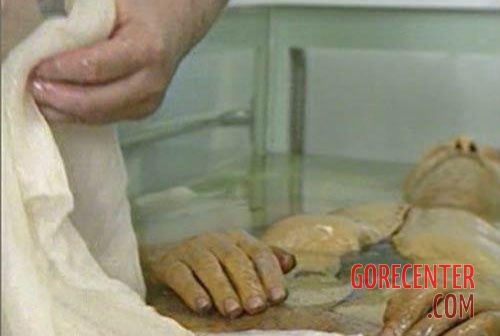
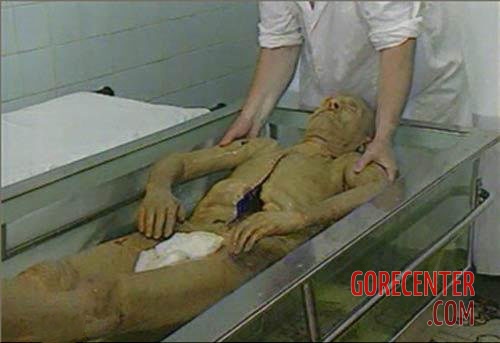
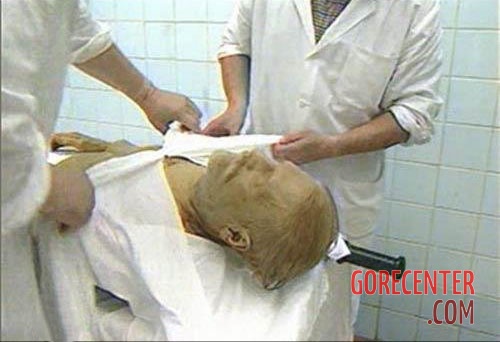
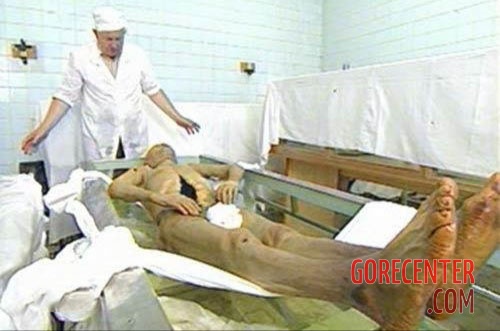
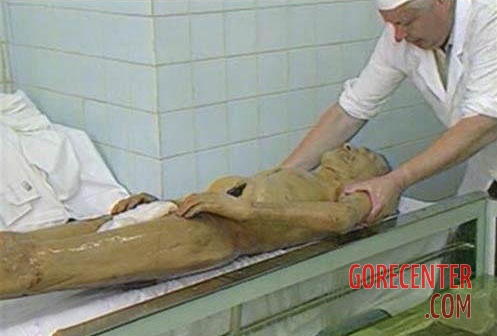
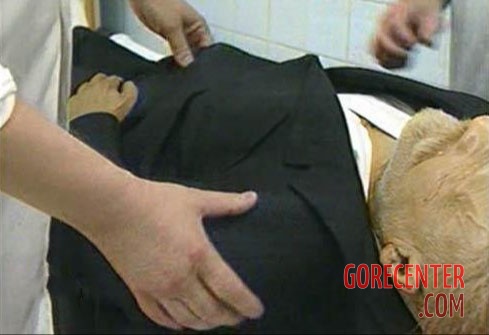
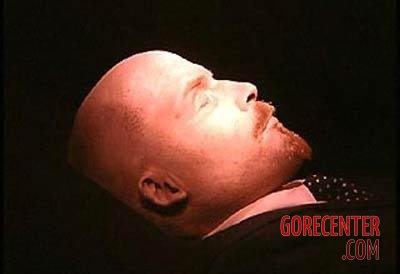
After his death, a crucial decision was made that affected his legacy to this day. His body was not buried in a traditional way, but was specially embalmed and placed in a glass sarcophagus in a mausoleum on Red Square in Moscow. This mausoleum, known as Lenin’s Mausoleum, was opened to the public in 1924, and Lenin’s body is still displayed there today.
The preservation of his body was originally intended to be temporary, but it gradually became a permanent part of Russian historical and political culture. Today, Lenin’s mummified body is one of the most well-known symbols of the Soviet era and at the same time a subject of debate – while some view it as a historical monument, others call for his burial.
READ MORE:
https://en.wikipedia.org/wiki/Vladimir_Lenin