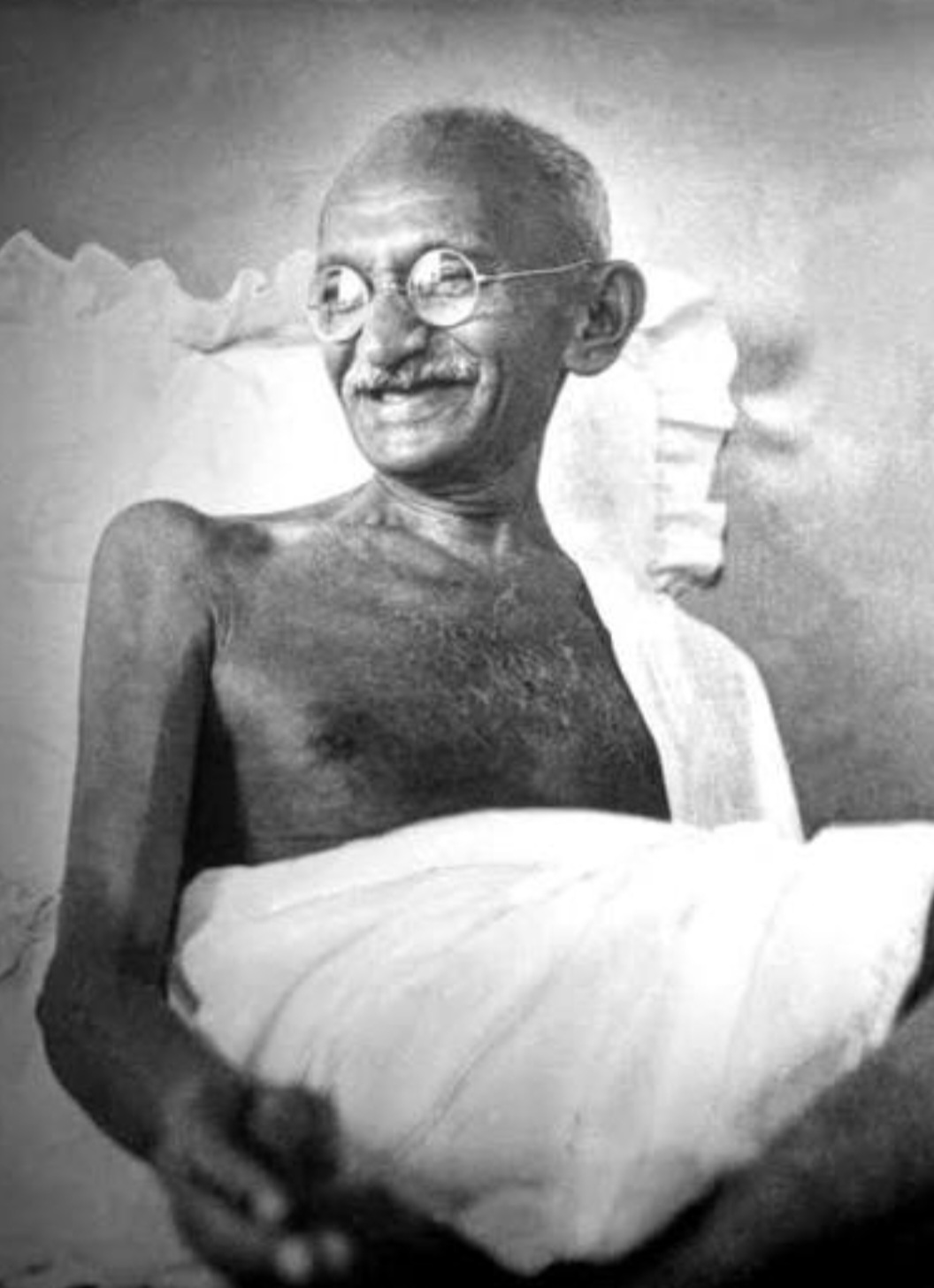
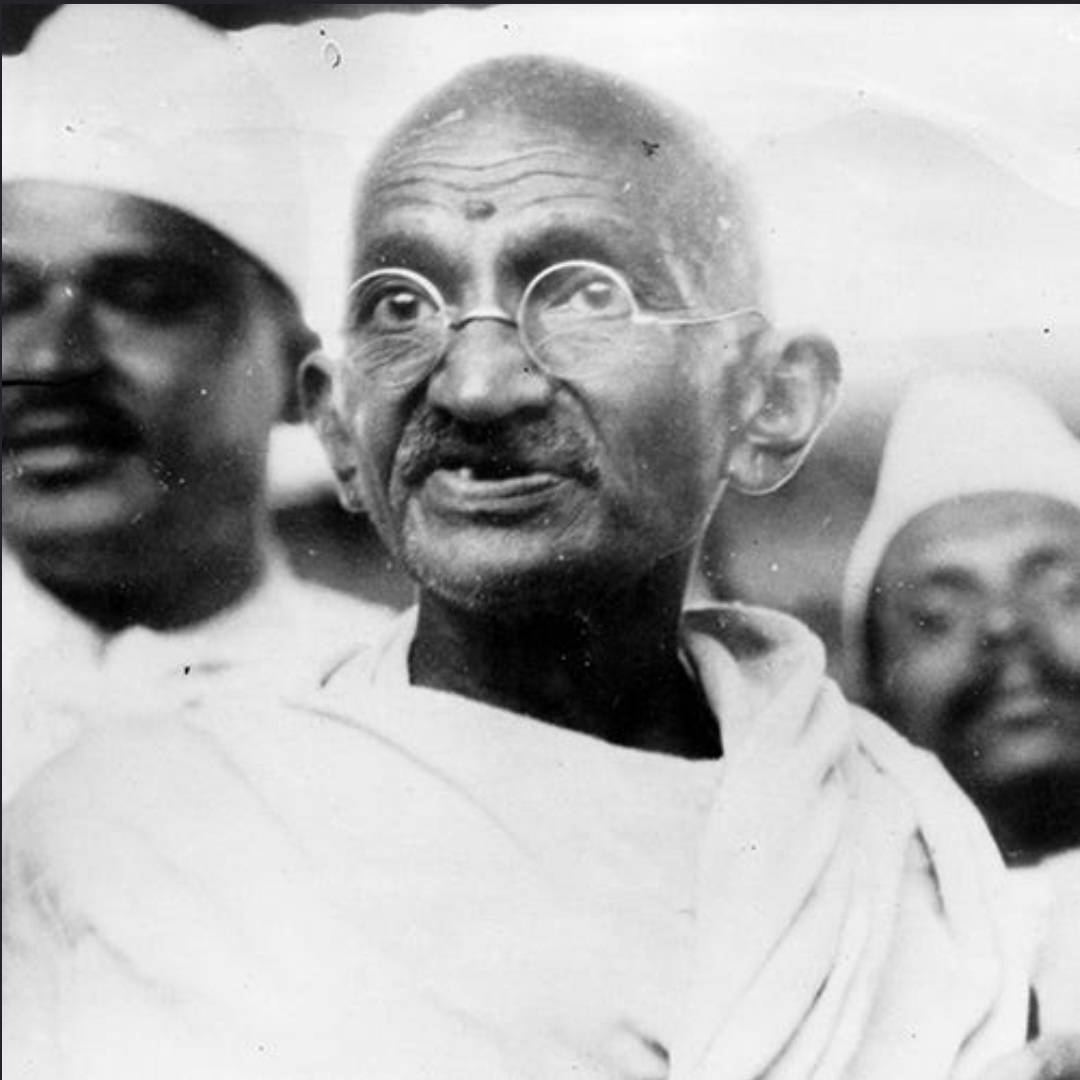
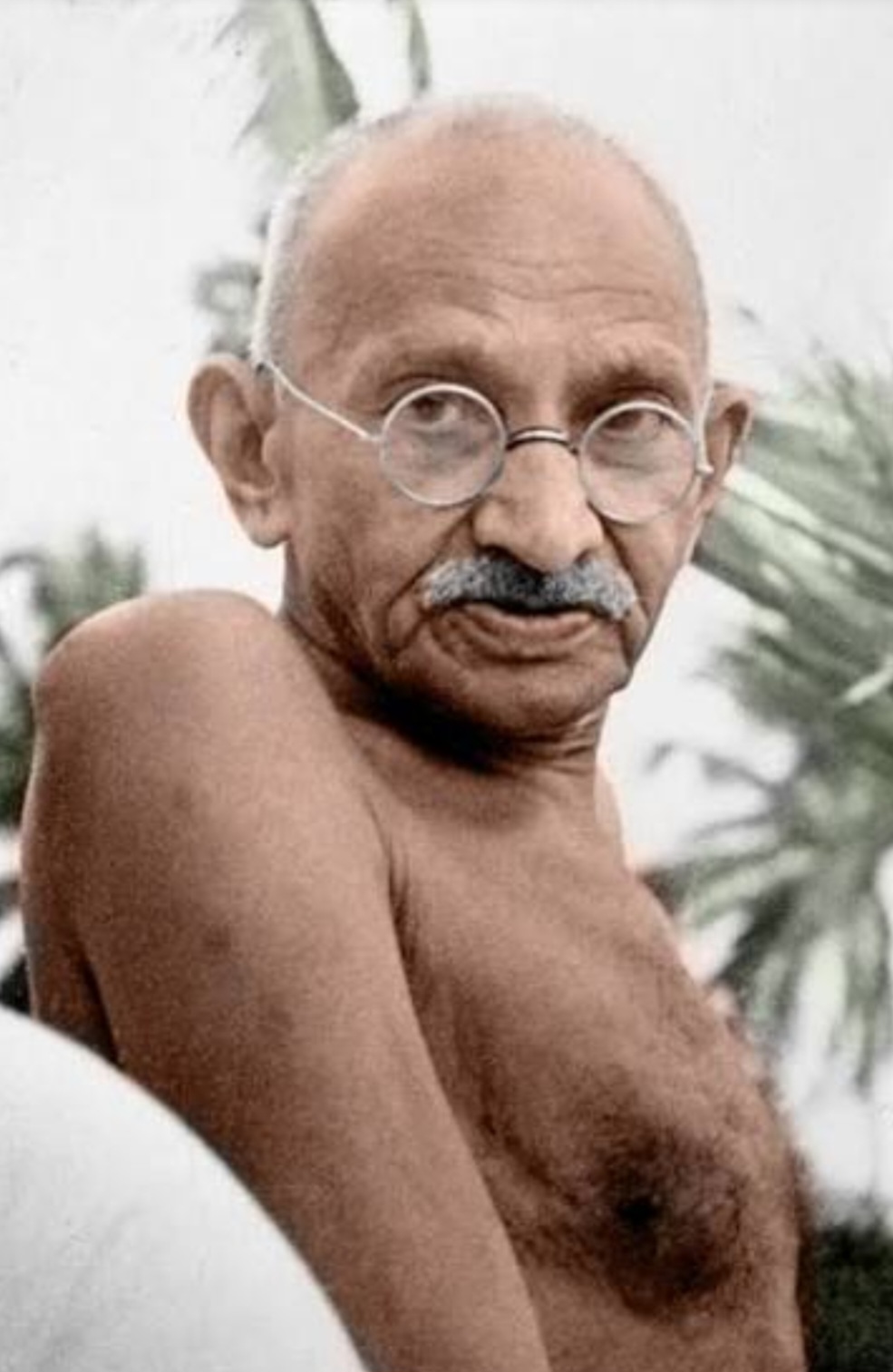
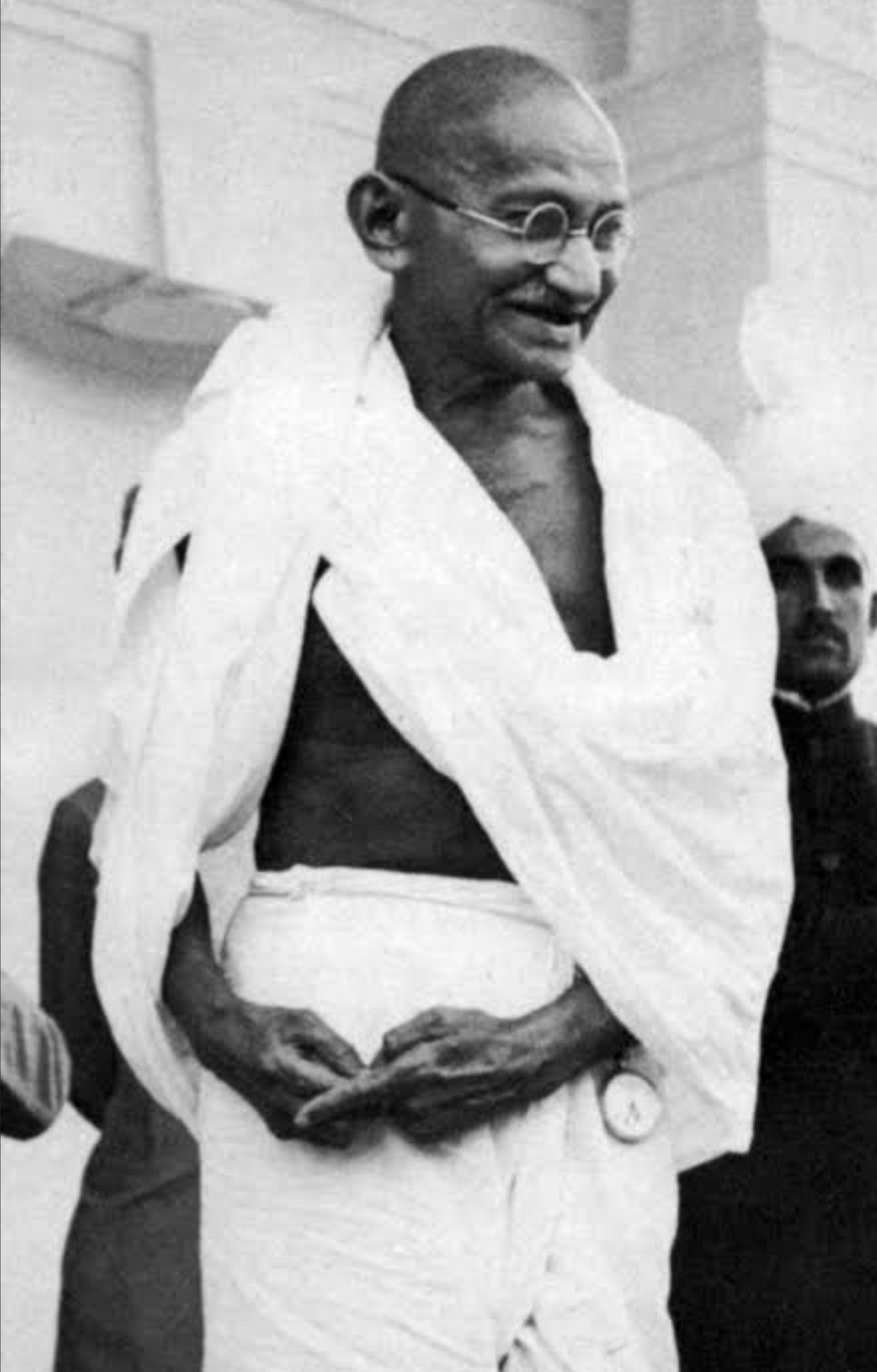
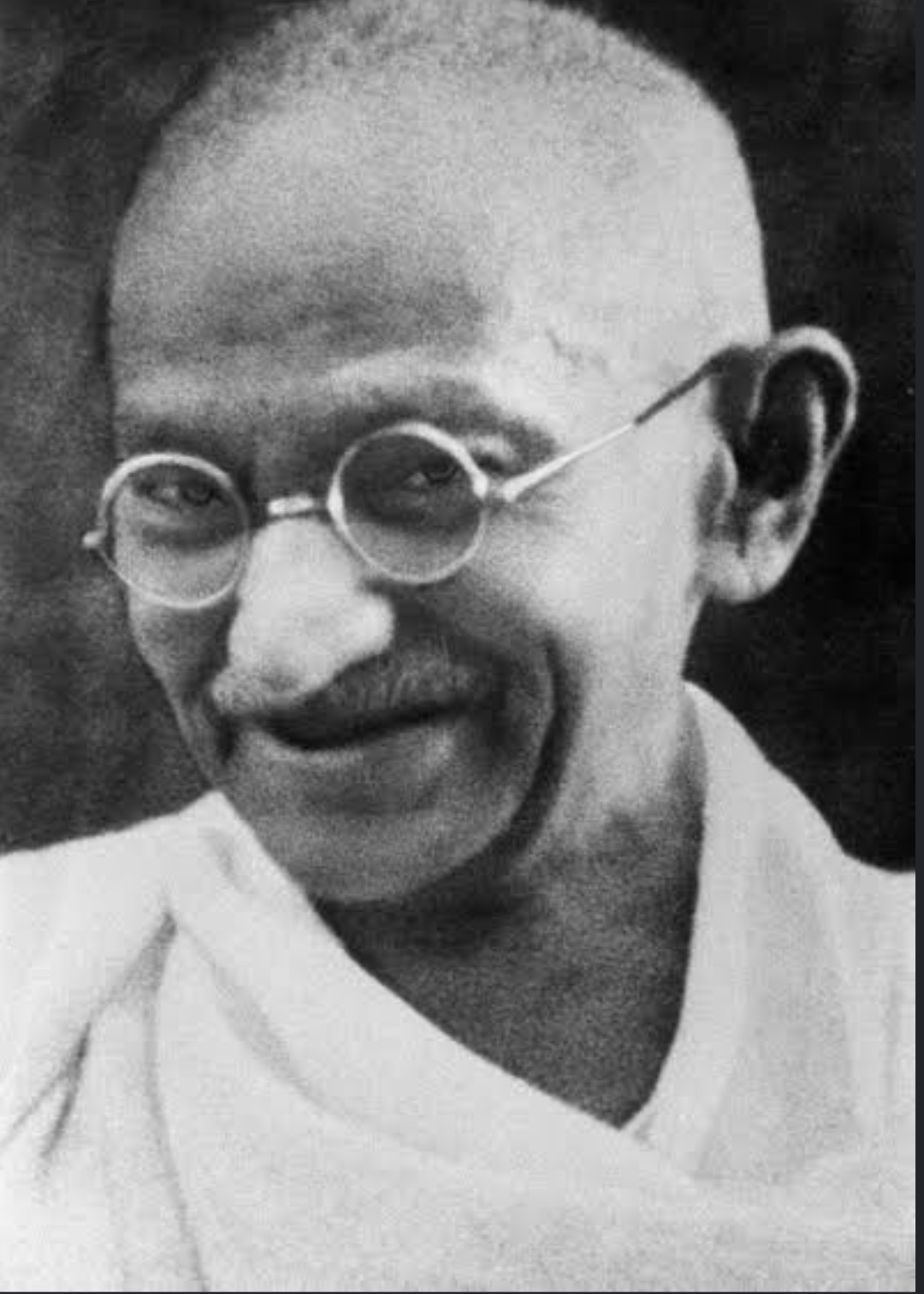
NEW DELHI, INDIA – JANUARY, 1948 Mahatma Gandhi, born Mohandas Karamchand Gandhi, is regarded as one of the most influential figures in modern history. He was born on October 2, 1869, in the Indian city of Porbandar into the family of a government official. After studying law in London, he moved to South Africa for work, where he experienced racial discrimination for the first time. It was there that he began developing the philosophy of nonviolent resistance, which later became the foundation of his life’s work.
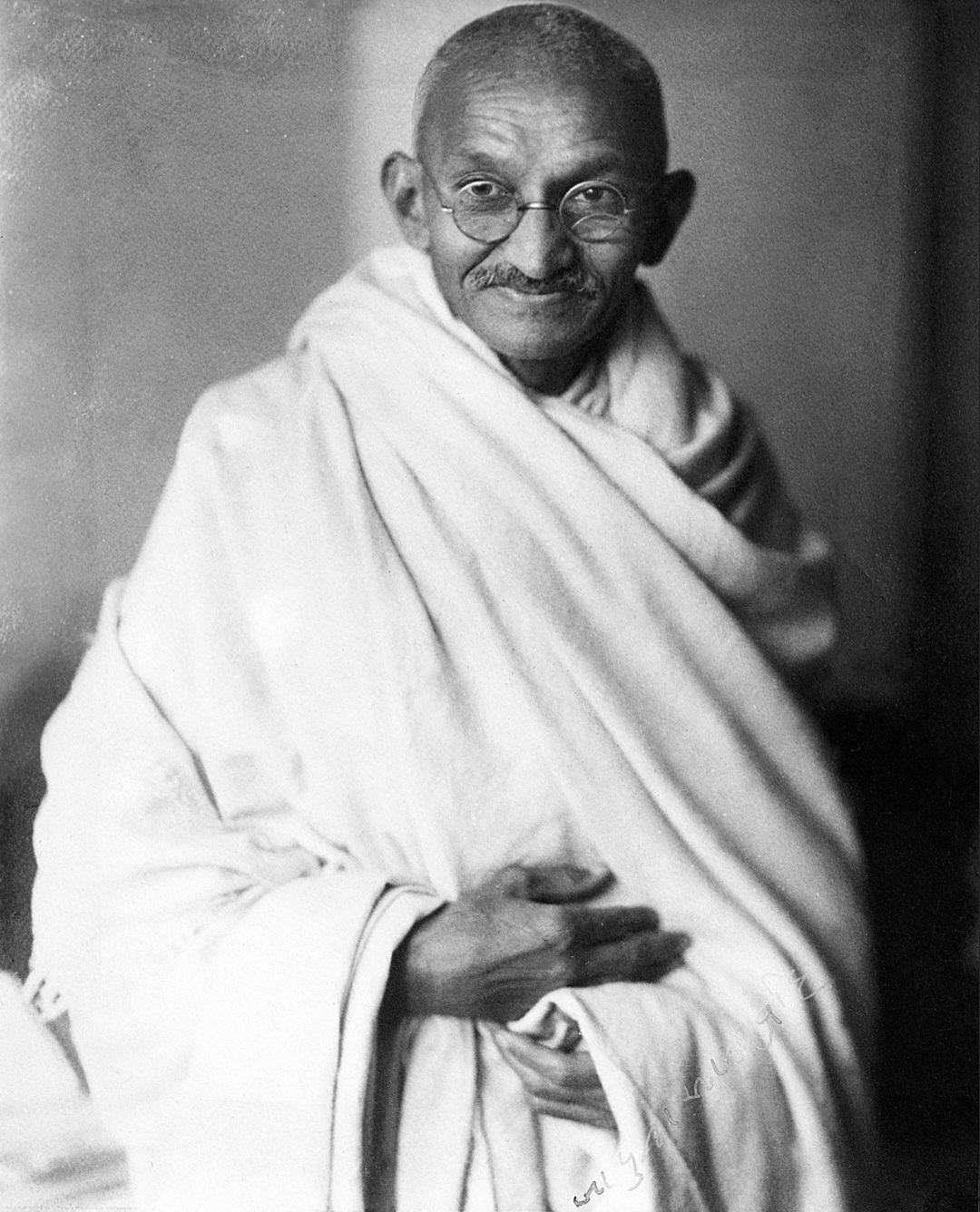
Mohandas Karamchand Gandhi
After returning to India, he became the leader of the movement seeking independence from British colonial rule. Instead of advocating armed rebellion, he promoted civil disobedience, peaceful protests, strikes, and boycotts of British goods. He believed that nonviolence and moral strength could bring about greater change than the use of weapons. His best-known campaign was the Salt March in 1930, when he and thousands of supporters challenged the British monopoly on salt production. Although he was repeatedly arrested throughout his life, his influence continued to grow, making him a symbol of the struggle for freedom not only in India but around the world.
In 1947, India finally achieved independence. At the same time, however, the country was divided into India and Pakistan, triggering widespread violence between Hindus and Muslims. Gandhi worked tirelessly to reconcile the two communities and repeatedly called for an end to the bloodshed. His conciliatory stance toward Muslims became one of the reasons why he earned the hostility of radical Hindu nationalists.
On January 30, 1948, Gandhi was on his way to his regular evening prayer meeting in New Delhi. As he walked through the crowd, Hindu nationalist Nathuram Godse approached him and fired several shots at close range with a pistol. Gandhi suffered fatal gunshot wounds and died shortly afterward. The assassin was immediately arrested, later convicted of murder, and executed by hanging in 1949.
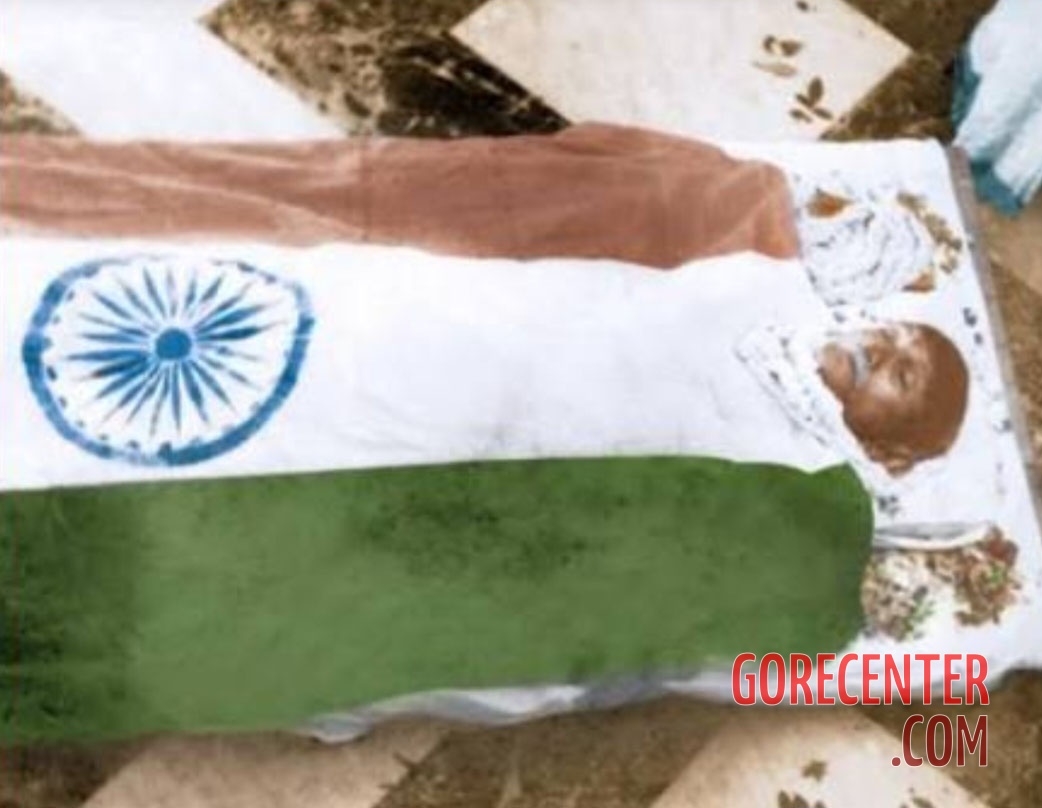
Gandhi’s death was met with an outpouring of grief across India and around the world. His funeral was held the following day and became one of the largest funeral processions of its time. Millions of people lined the miles-long route to pay their final respects. Following Hindu tradition, his body was cremated on a funeral pyre on the banks of the Yamuna River in New Delhi. His ashes were later divided among several urns. Most were immersed in rivers, especially at the confluence of the Ganges, Yamuna, and the mythical Saraswati in Prayagraj, while some urns were preserved for many years before their ashes were scattered at a later date.
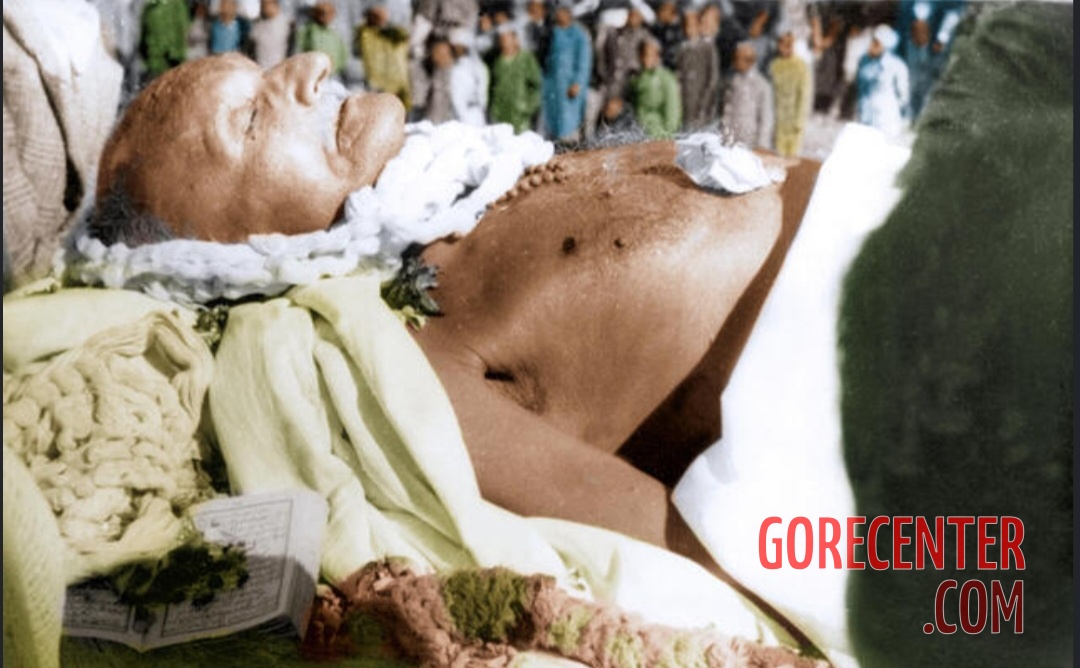
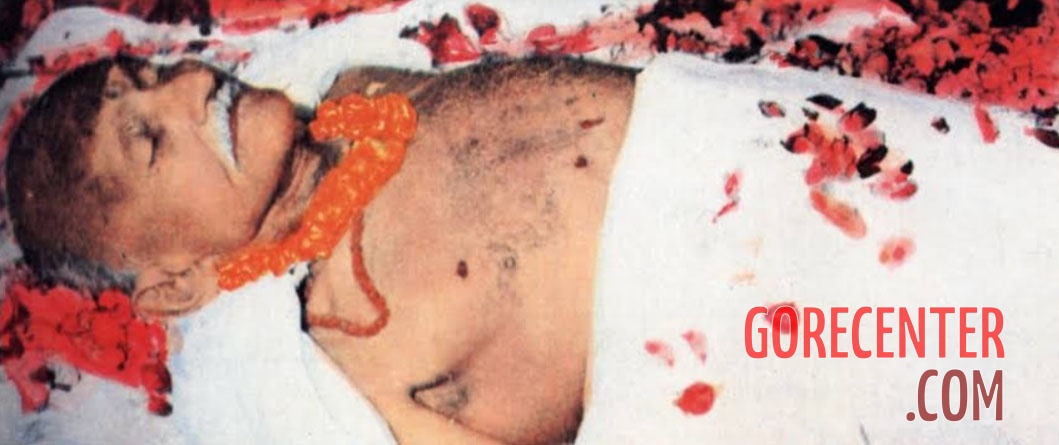
MORE PHOTOS OF GANDHI: