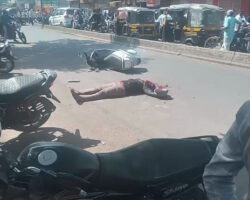
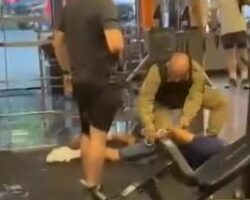
TELANGANA, INDIA – OCTOBER 13, 2026 Man suffered a heart attack while shopping for vegetables at a crowded market. He suddenly collapsed and fell across a vendor’s counter. Bystanders rushed to help and attempted to provide first aid, but their efforts were unsuccessful. Sadly, he was pronounced dead after paramedics arrived.
When the heart stops beating, every second counts. Without circulation, oxygen no longer reaches the body’s cells, and brain damage can begin within minutes. Immediate first aid is critical, which is why knowing how to respond in an emergency can make all the difference.
If someone collapses and is unresponsive, call emergency services immediately and follow the dispatcher’s instructions. This may include starting CPR (cardiopulmonary resuscitation) with chest compressions and using an automated external defibrillator (AED) if one is available. In emergencies, bystanders sometimes stand around watching, each assuming someone else will take action. Take the initiative instead: point to specific people and assign clear tasks, such as calling emergency services, finding an AED, or helping with CPR.
Knowing how to provide effective first aid is a valuable lifelong skill that can save lives. Look for first aid courses in your area – some may even be available free of charge.