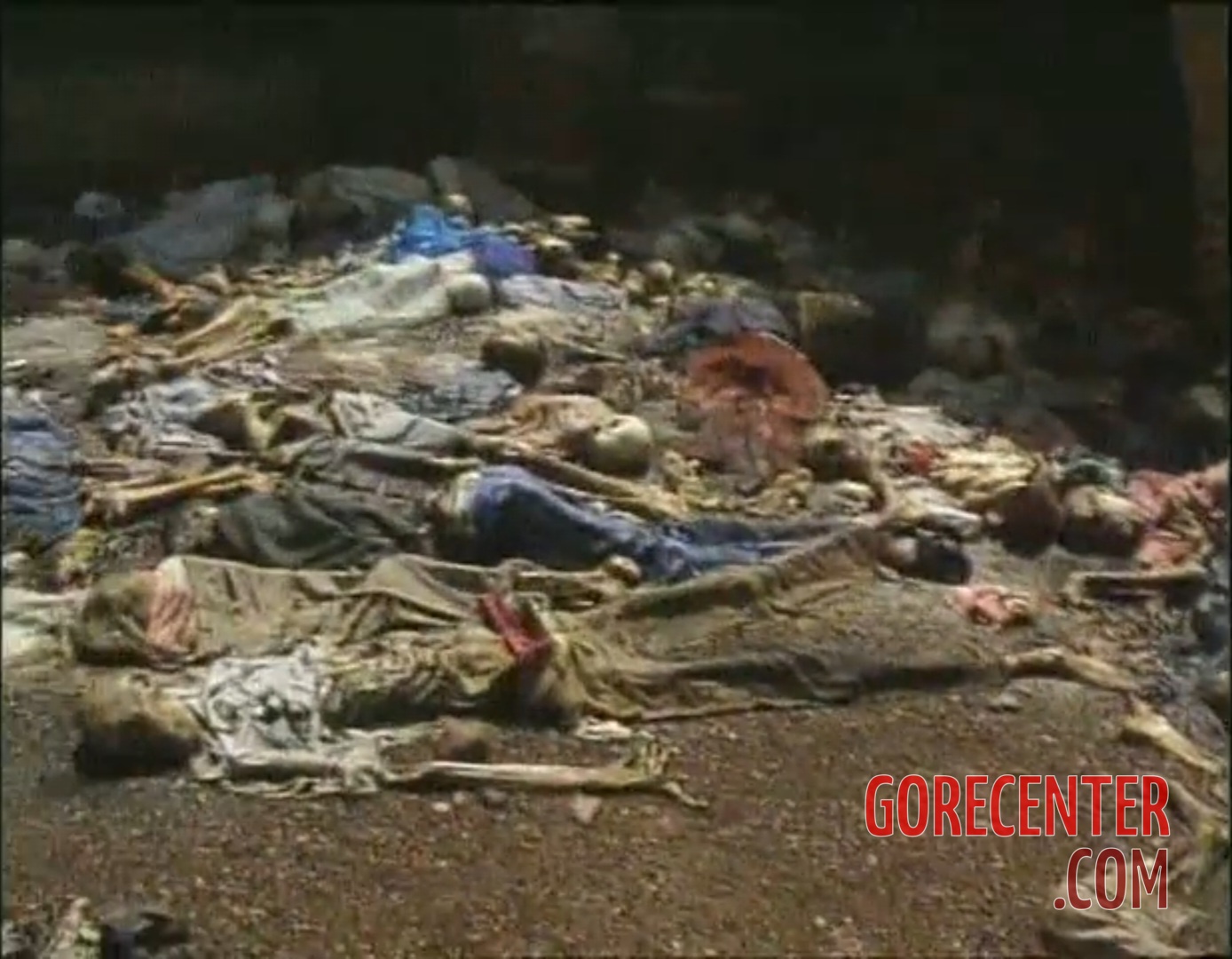
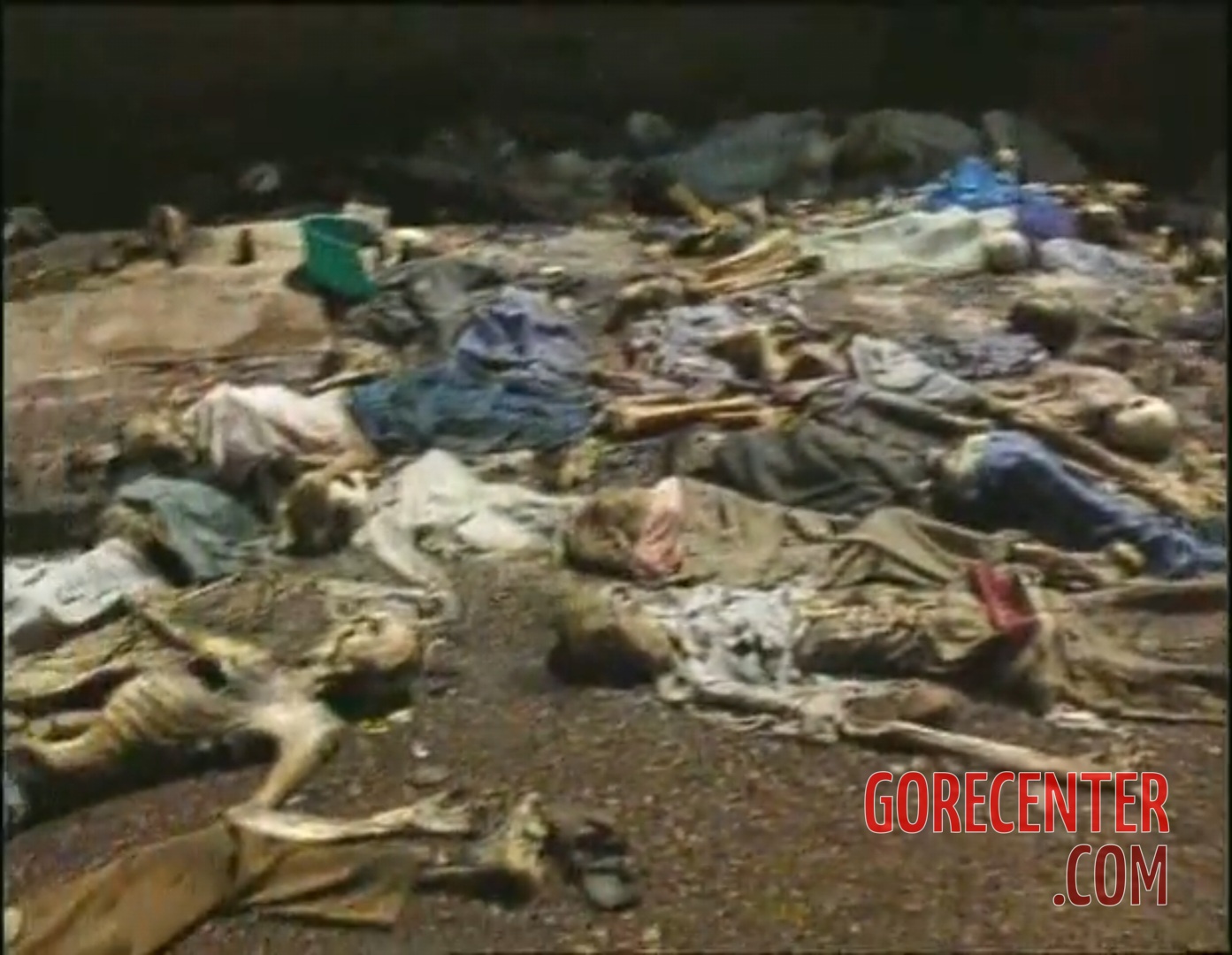
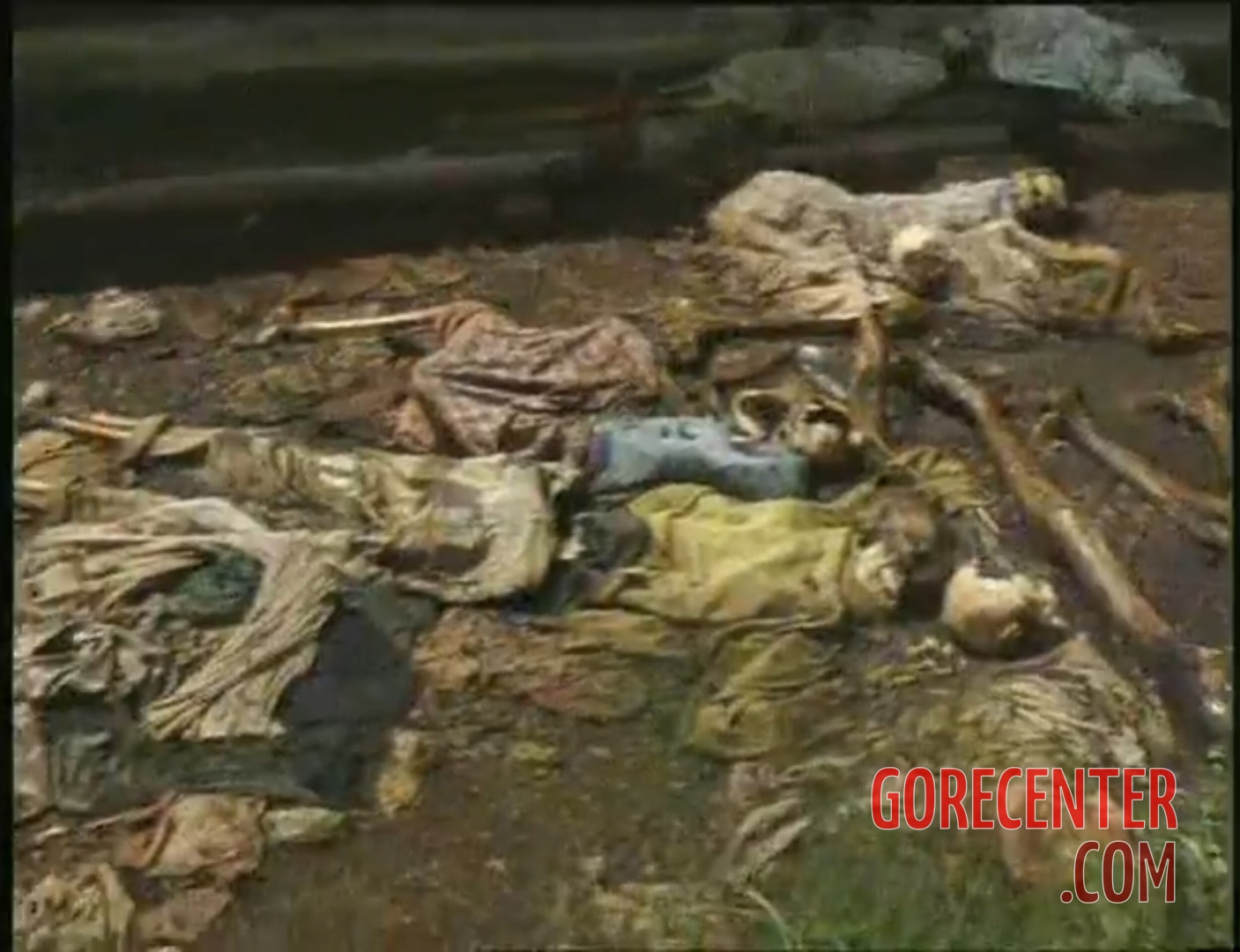
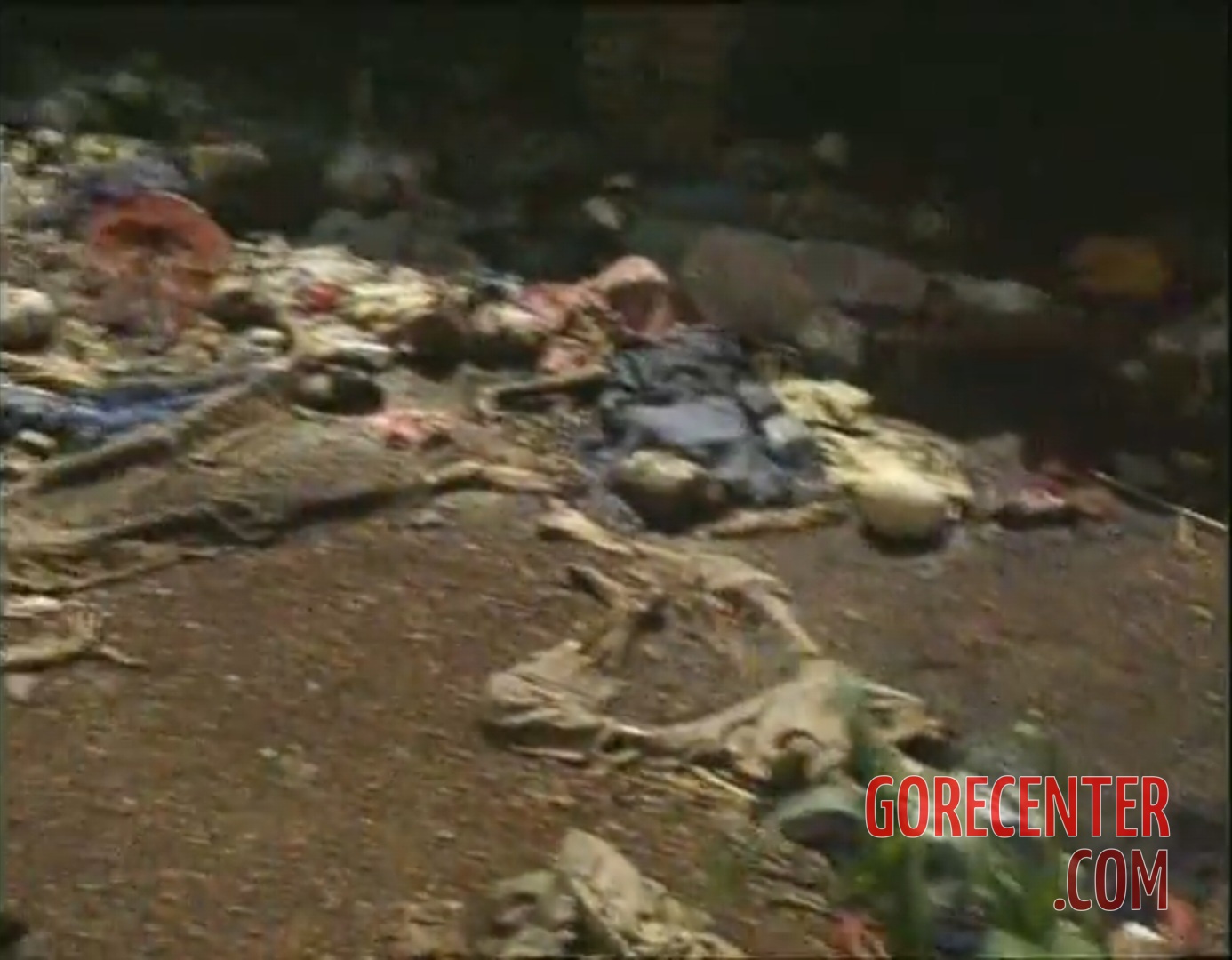
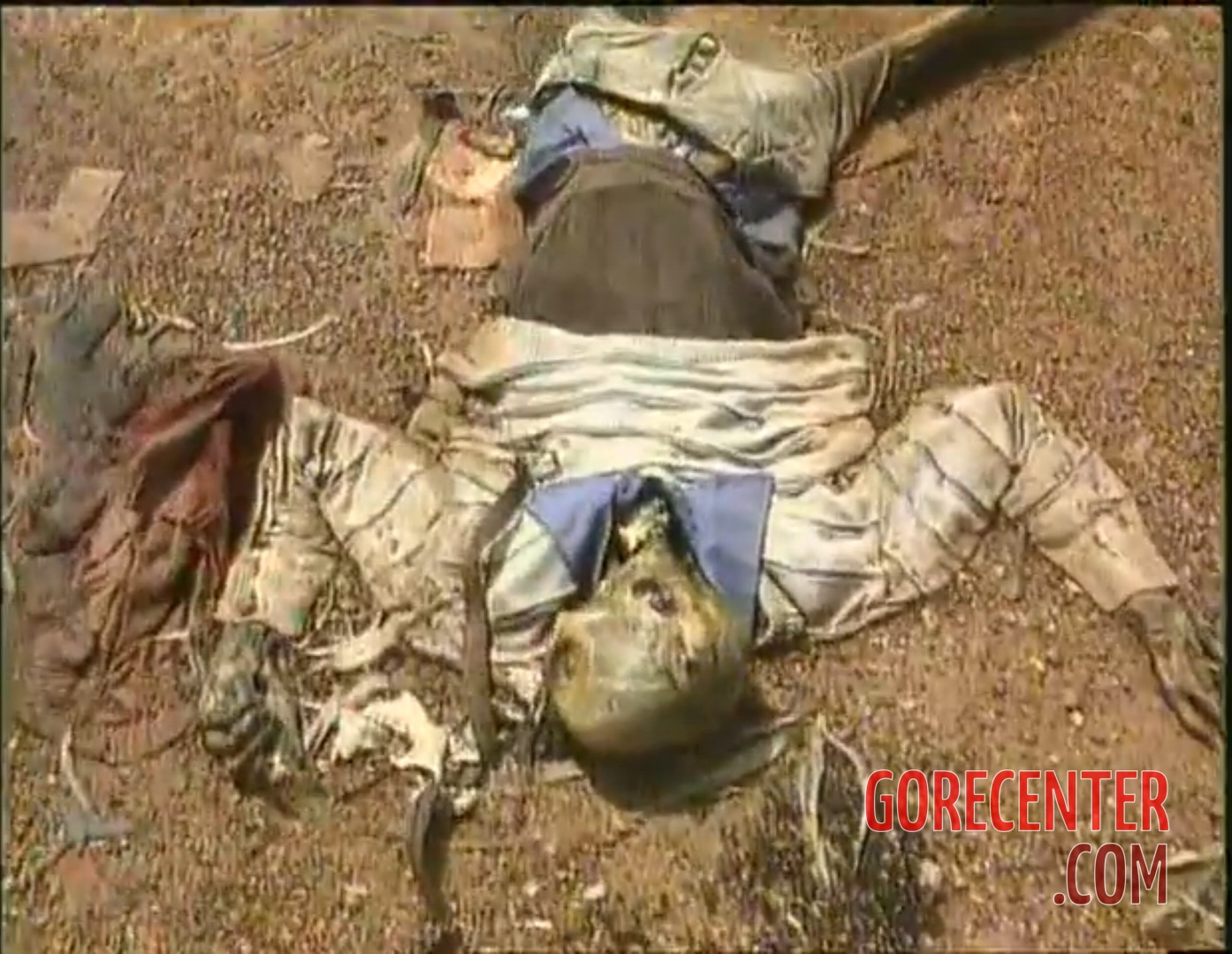
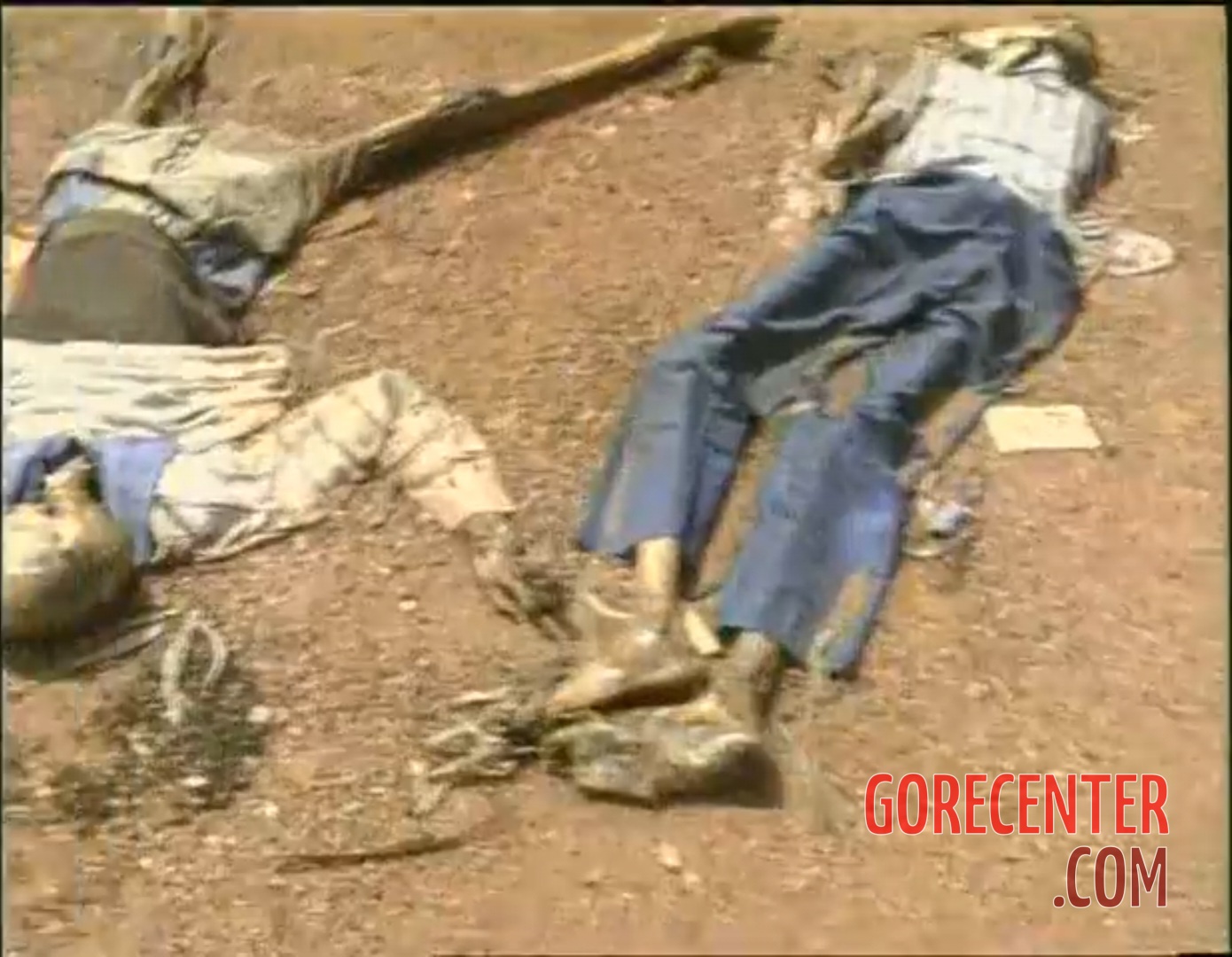
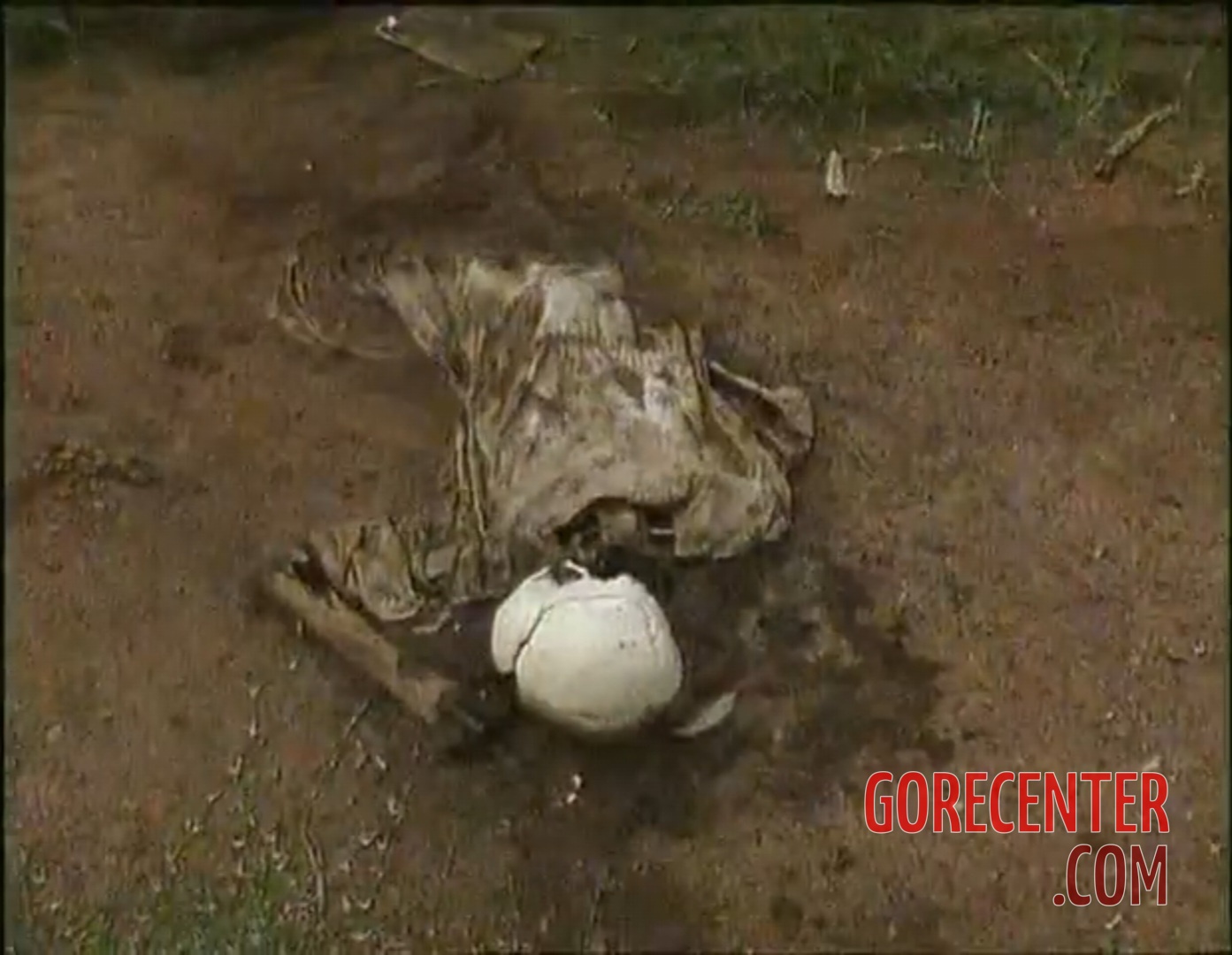
RWANDA, 1994 Genocide in Rwanda is one of the most tragic events in modern history. It took place in 1994 over just one hundred days, resulting in the deaths of approximately 800,000 people, mostly Tutsis but also moderate Hutus who opposed the genocide. The main actors in the conflict were two ethnic groups – the Tutsis and the Hutus. Tensions between them had lasted for decades, fueled by colonial policies and political propaganda.
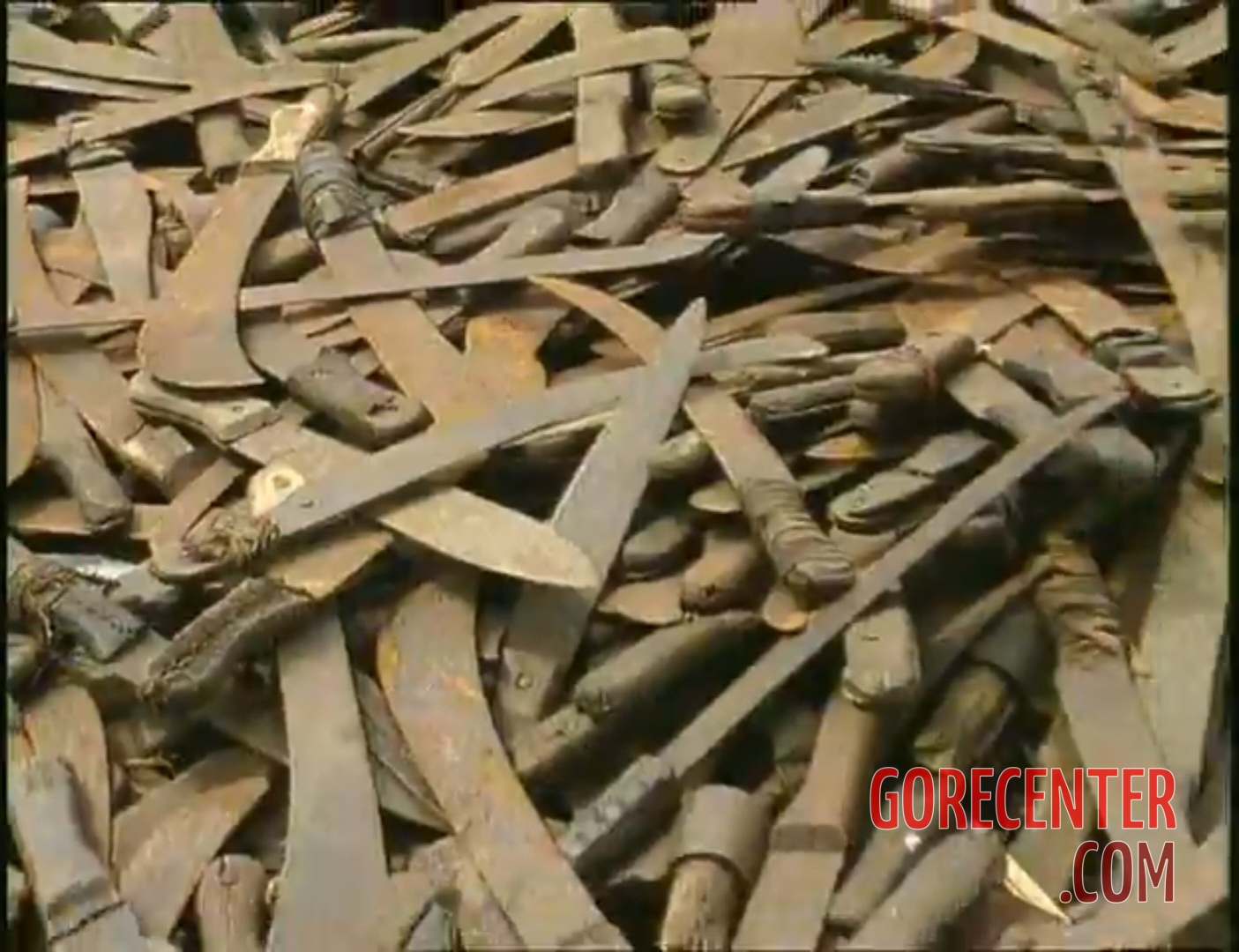
The genocide began after the plane carrying President Juvenal Habyarimana was shot down, and his death became a pretext for mass killings. Over the following months, people were murdered in their homes, schools, and churches, often using everyday tools such as machetes or knives. The international community responded slowly and ineffectively, which only worsened the scale of the tragedy.
After the genocide ended, the country was deeply shaken. Many survivors lost their families and communities. However, Rwanda gradually recovered, introducing Gacaca court trials and the International Criminal Tribunal for Rwanda to hold perpetrators accountable. Today, the genocide in Rwanda is remembered as a warning against hatred, propaganda, and ethnic violence, and as an example of how difficult reconciliation is after such a massive tragedy.