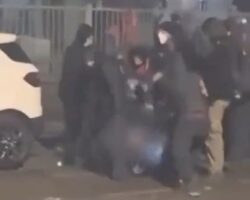
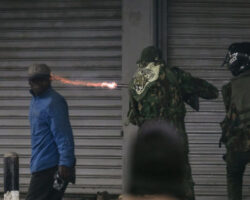
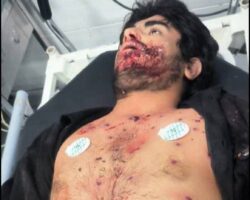
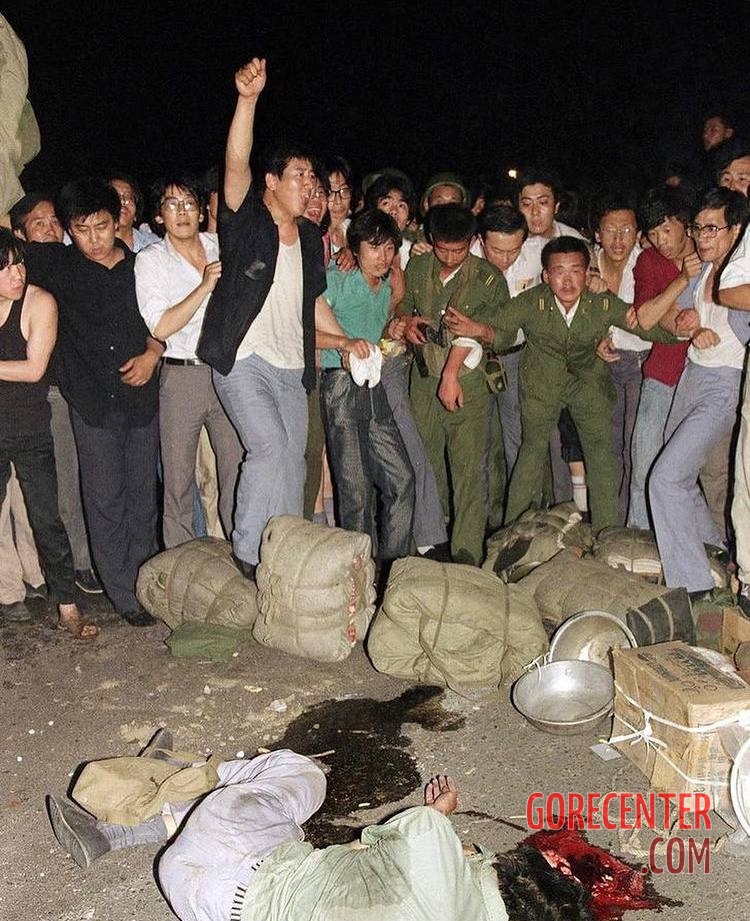
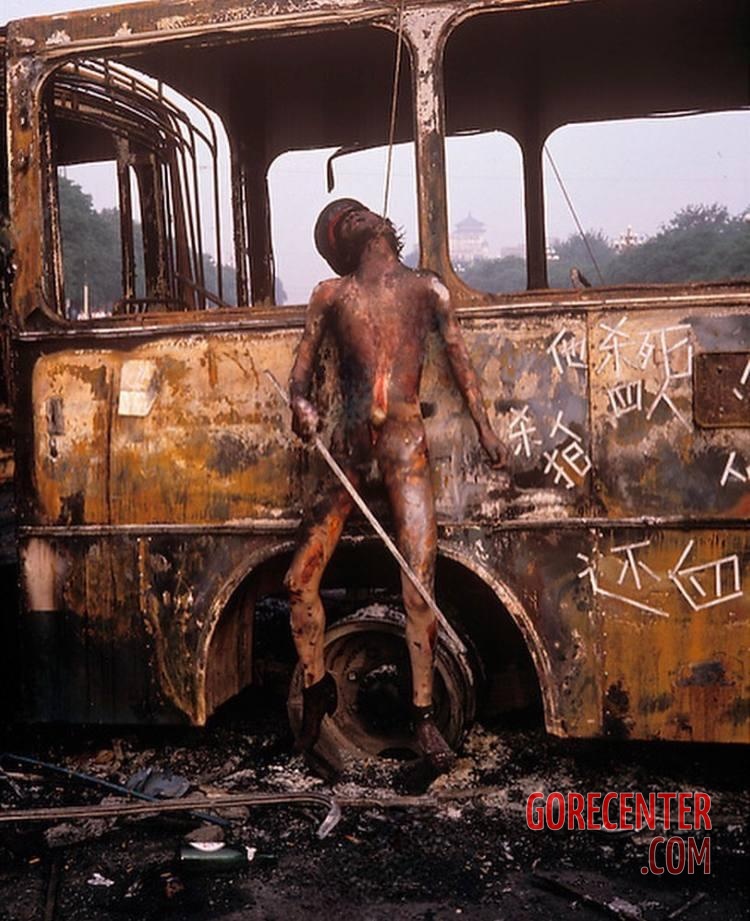
BEIJING, CHINA – JUNE, 1989 On the night of June 3 to June 4, 1989, the Chinese military violently suppressed large-scale pro-democracy protests in Beijing, which were centered mainly on Tiananmen Square. The event, known as the Tiananmen Square massacre, remains one of the most significant and controversial moments in modern Chinese history.
The protests began in April 1989 following the death of former Chinese Communist Party leader Hu Yaobang. They were initially led mainly by students demanding political reforms, greater freedom of expression, and a fight against corruption. Over time, tens of thousands of other Beijing residents joined them.
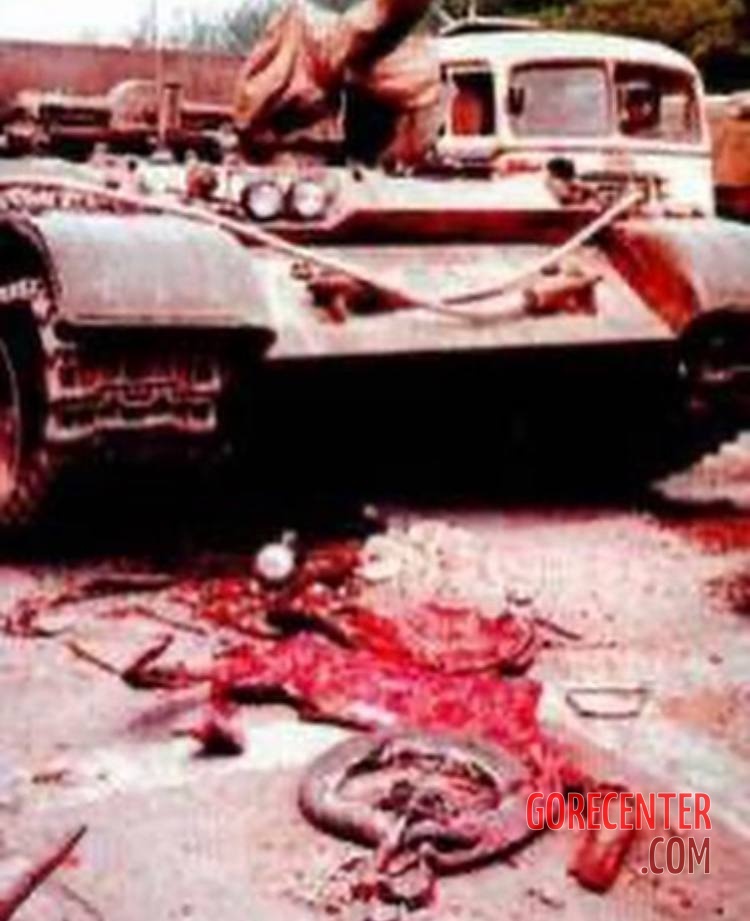
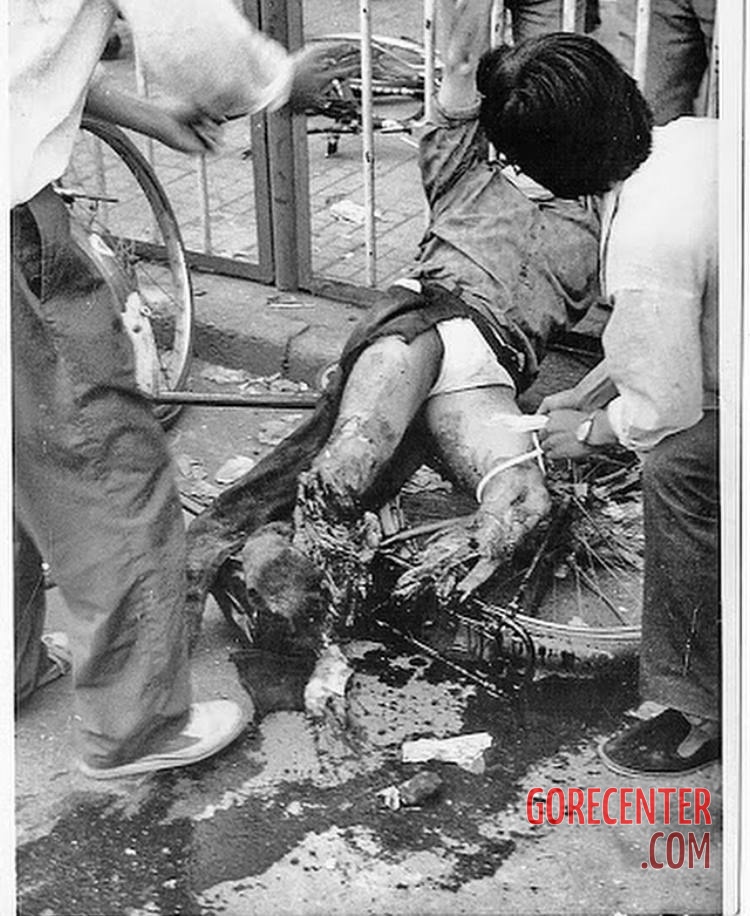
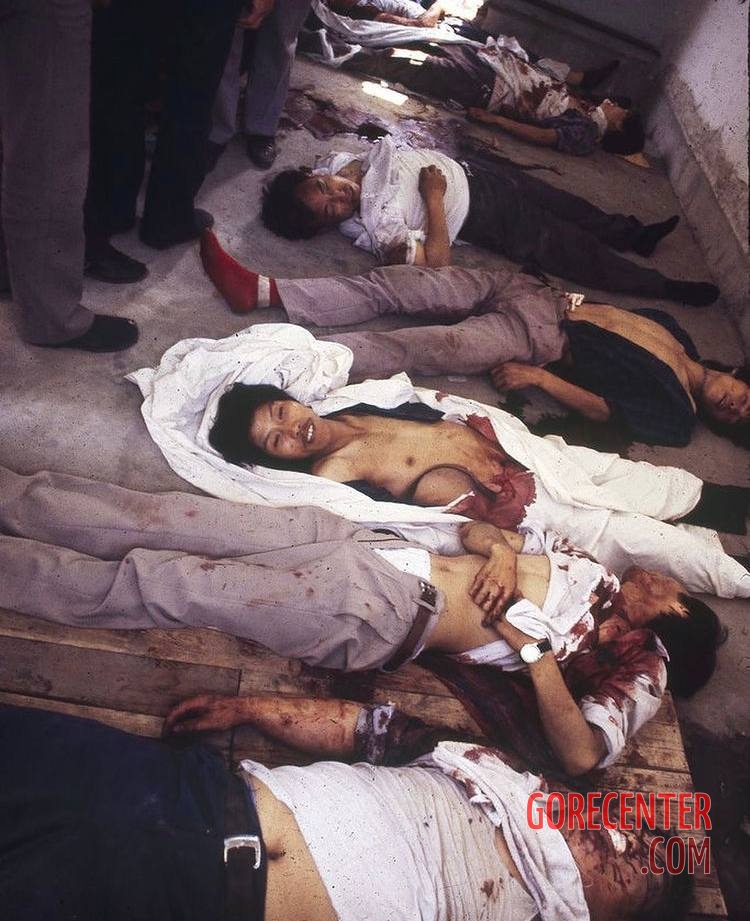
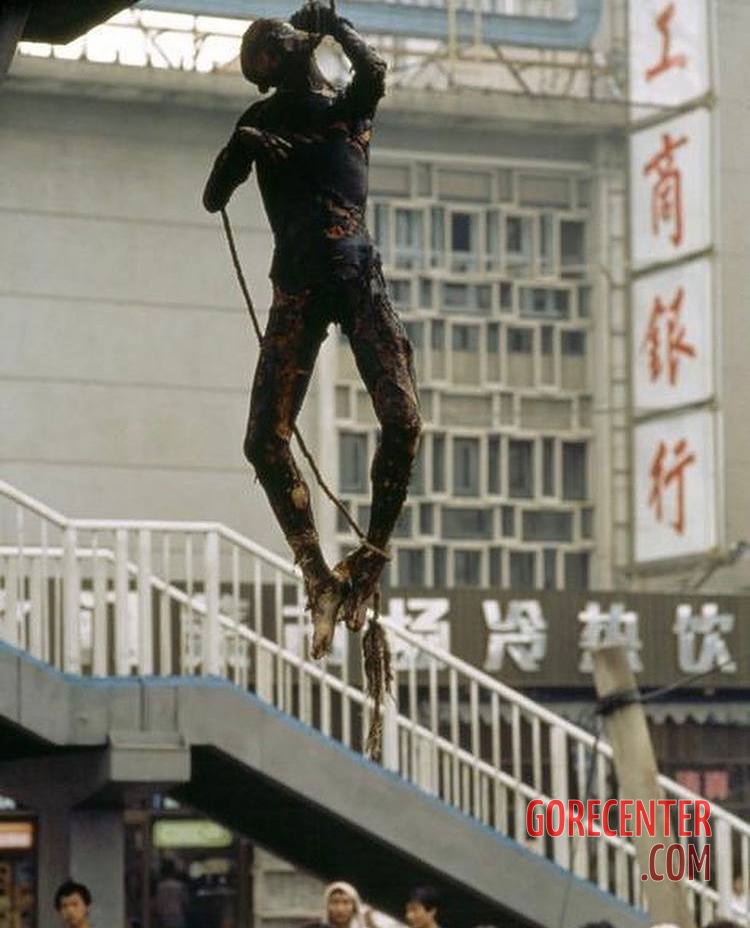
The Chinese government considered the demonstrations a threat to the country’s stability and decided to end them through military intervention. Army units equipped with tanks and armored vehicles entered central Beijing and used live ammunition against the protesters. Hundreds of people were killed during the clashes, although the exact number of victims remains unclear to this day.
After suppressing the protests, the Chinese government began arresting participants and imposed extensive censorship of information about the events. To this day, remembrance of the massacre remains heavily restricted within China, and the issue continues to be a sensitive part of discussions surrounding the Chinese government, civil liberties, and human rights.
READ MORE:
https://en.wikipedia.org/wiki/1989_Tiananmen_Square_protests_and_massacre