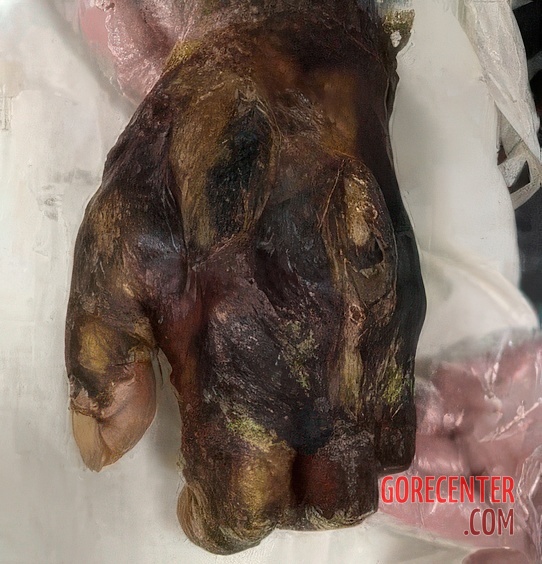
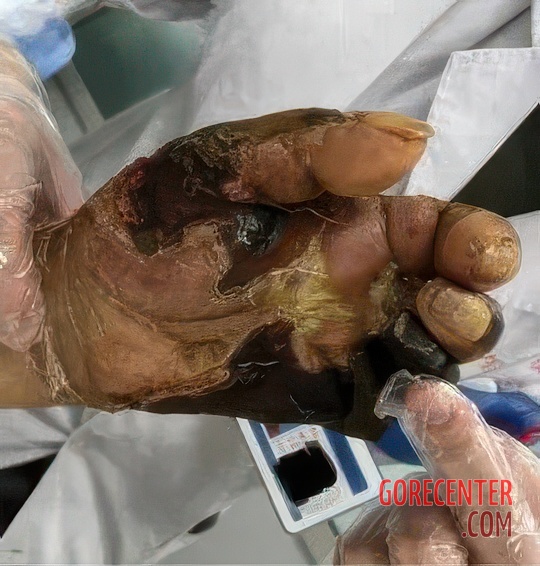
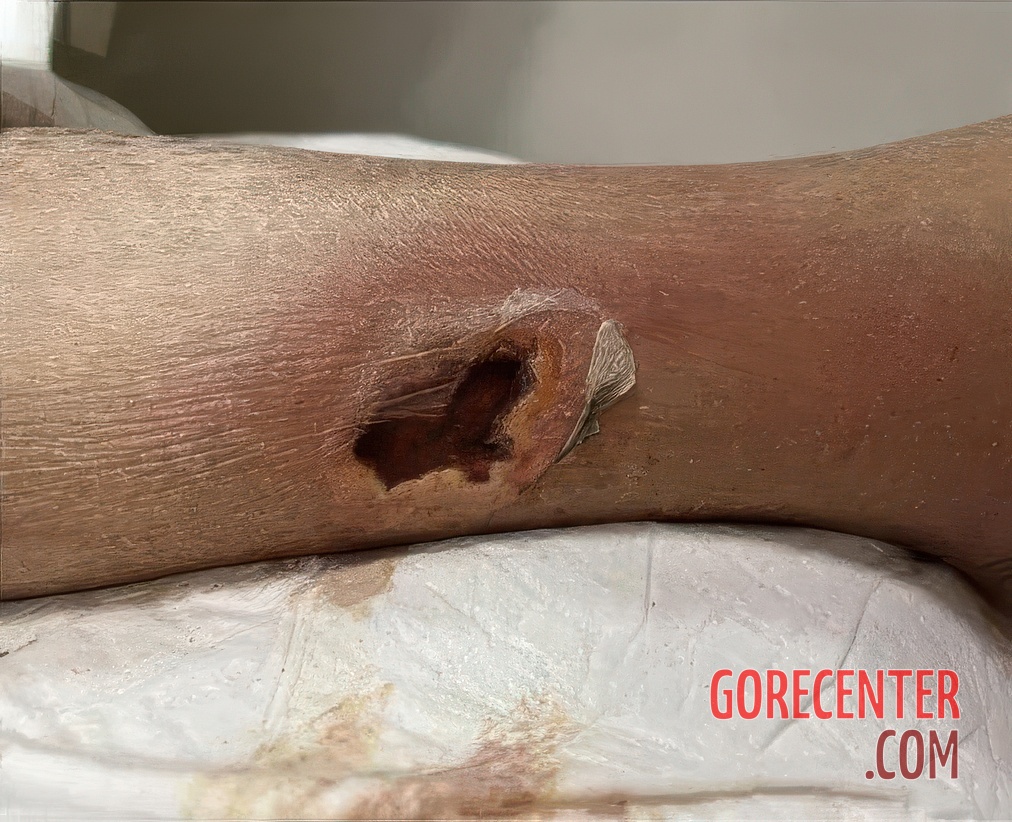
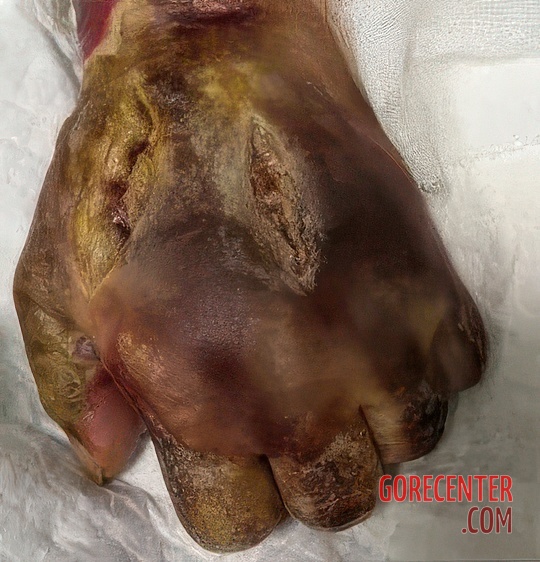
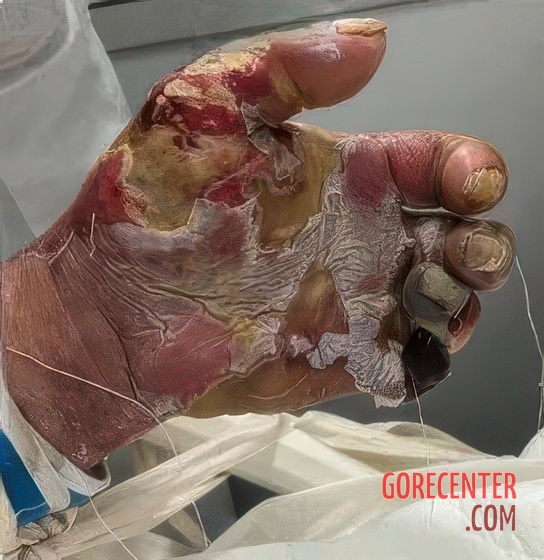
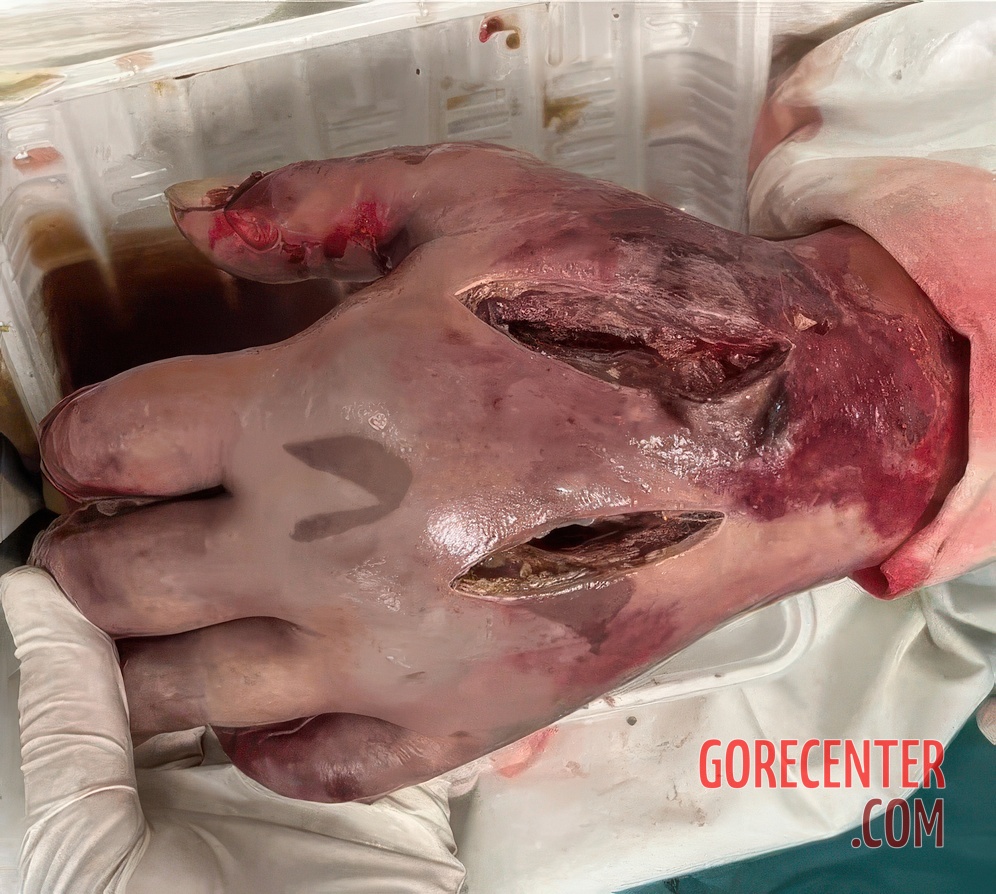
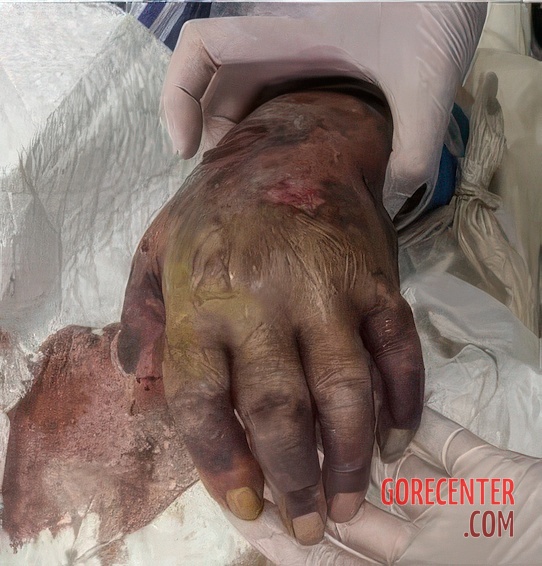
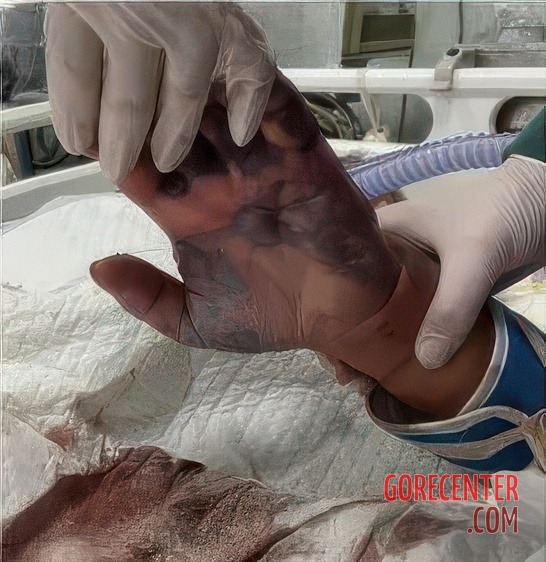
DALIAN, LIAONING, CHINA, 2022 70-year-old man was bitten by a marine fish called Largehead hairtail while cleaning it on October 10, 2022. Later that same day, he developed a fever, and his left arm began to rapidly become red and swollen. By the following morning, his condition had become significantly worse. The arm was massively swollen and covered with large blisters, some of which had ruptured, and he was unable to bend or straighten his fingers.
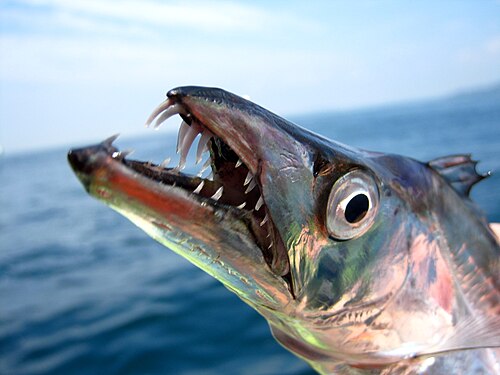
Largehead hairtail
The rapid deterioration was caused by an extremely rare infection with the bacterium Vibrio anguillarum. It naturally occurs in marine environments and commonly causes severe diseases in fish. Until then, its pathogenicity in humans had been reported in only a single case. In this patient, the bacterium likely entered the tissues through the wound caused by the fish.
His underlying health condition further worsened the situation. The man suffered from nephrotic syndrome and had been taking corticosteroids for approximately six months, suppressing his immune system. The infection was therefore able to spread rapidly and quickly progressed into a life-threatening condition.
The patient developed septic shock and multiple organ failure. Doctors began treatment with the broad-spectrum antibiotic meropenem, administered fluids and norepinephrine to support his blood pressure, and initiated continuous venovenous hemofiltration because of kidney failure. At the same time, they had to surgically remove damaged tissue and perform a fasciotomy to relieve pressure in the affected tissues.
Although his condition initially improved somewhat, the infection continued. Necrosis began to develop in his left arm, and the infection later also appeared in his left lower limb. Eventually, amputation of the left forearm was performed because of uncontrollable tissue death. However, even the procedure could not save his life. The patient died on the 31st day of hospitalization from septic shock and multiple organ failure.