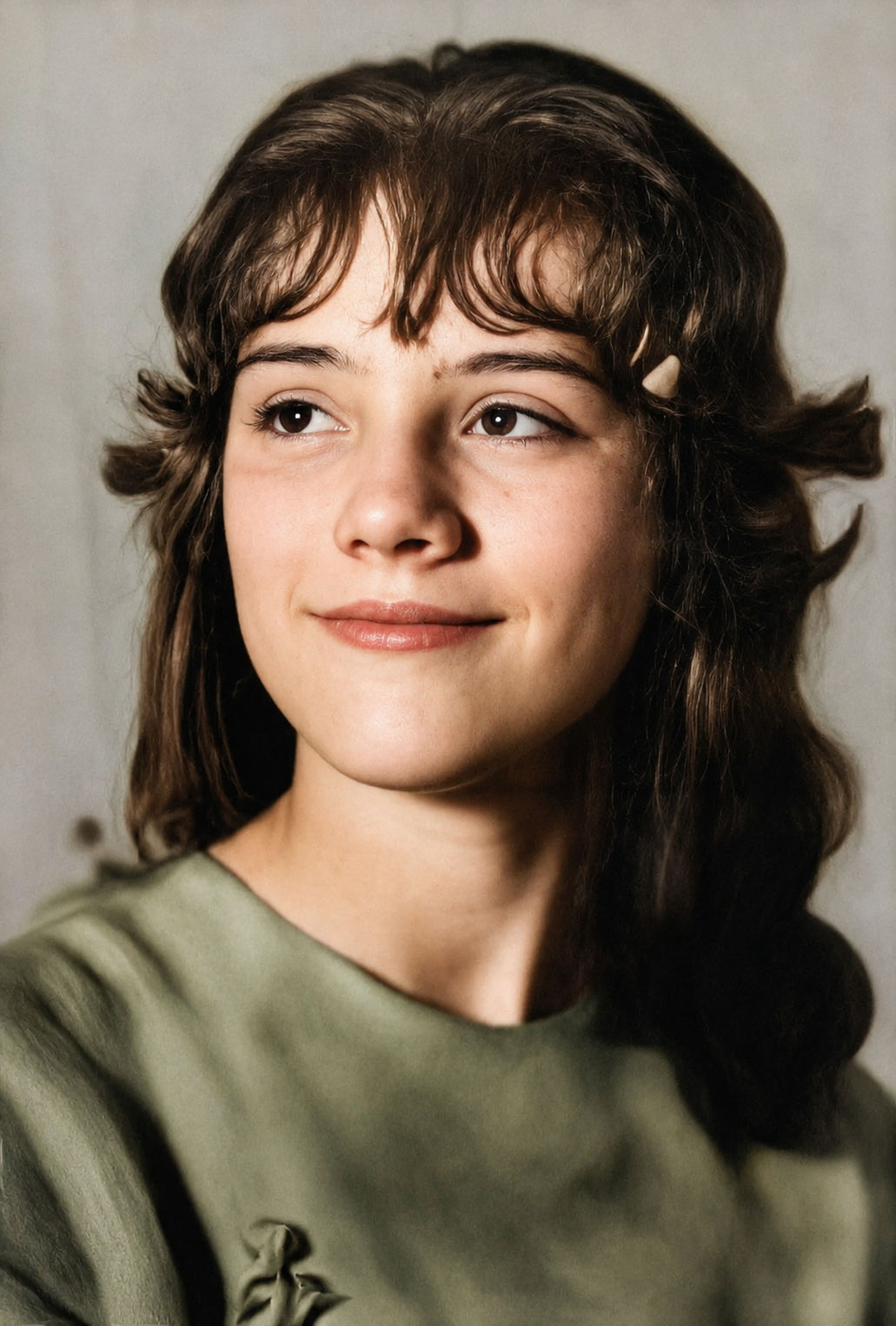
INDIANAPOLIS, INDIANA, USA – OCTOBER 26, 1965 In the summer of 1965, sixteen-year-old Sylvia Likens, along with her fifteen-year-old sister Jenny Likens, was placed in the care of Gertrude Baniszewski, who was living in Indianapolis with her children at the time. The girls’ parents left for work and were supposed to pay Baniszewski $20 a week for their accommodation. At first, everything seemed normal. Gradually, however, ordinary care turned into one of the worst cases of prolonged child abuse in United States history.
-

- Sylvia Likens
-
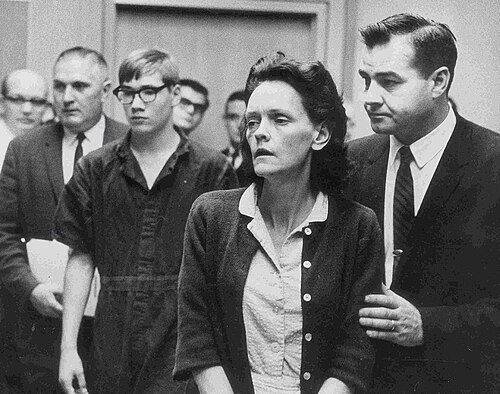
- Gertrude Baniszewski 1
-
- Gertrude Baniszewski 2
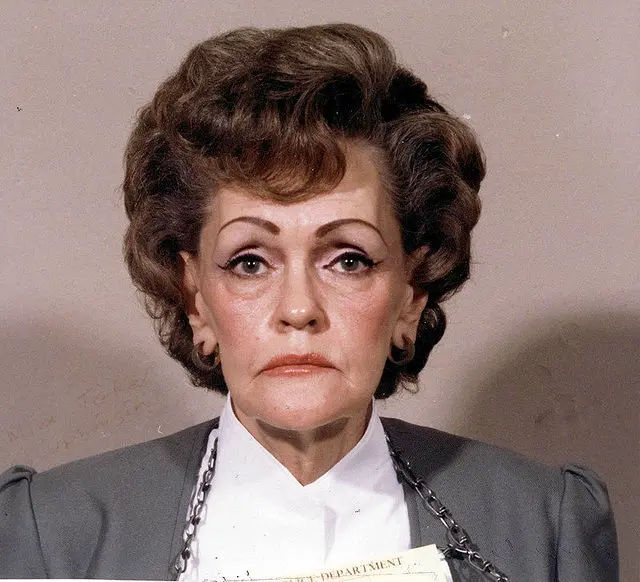
The problems began after the payments from the girls’ parents started arriving irregularly. Gertrude Baniszewski, who was 36 years old at the time of the abuse, began taking her anger out on Sylvia. She beat the girl over increasingly trivial excuses and gradually began punishing her for food, alleged theft, or bedwetting. The abuse quickly escalated.
Baniszewski’s seventeen-year-old daughter Paula Baniszewski, twelve-year-old son John Baniszewski Jr., fifteen-year-old Coy Hubbard, and fifteen-year-old Richard Hobbs gradually became involved in the violence as well. Other children from the neighborhood also joined in. What had originally been violence committed by a single adult woman gradually became a form of collective abuse in which Sylvia was subjected to repeated attacks by several people.
Sylvia was repeatedly beaten with a belt, a paddle, a broomstick, and other objects. During one attack, Paula struck her in the face so hard that she broke her own wrist. Even a cast on her arm did not stop her from continuing to attack Sylvia. The girl was also kicked, pushed down the stairs, and deliberately injured.
The violence gradually became entertainment for some of the neighborhood children. Sylvia was burned with lit cigarettes, beaten during improvised wrestling matches, and subjected to additional cuts and puncture wounds. She was also repeatedly humiliated and forced to endure sexually degrading punishments. According to testimony, younger members of the household also participated in the attacks to varying degrees.
Over time, Sylvia became increasingly isolated. She stopped attending school and was kept inside the house. She was restrained, locked in the basement, and deprived of food and water. Her health deteriorated dramatically because of the continued violence and malnutrition. At one point, she was even forced to search for food in the garbage.
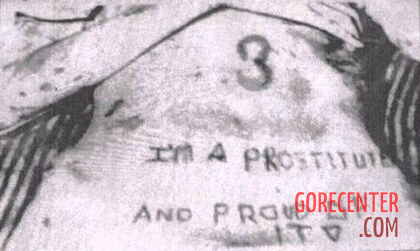
One of the worst attacks came at the end of October. Gertrude Baniszewski decided to punish Sylvia for alleged sexual behavior and had a humiliating inscription burned and carved into the skin of her abdomen: “I’m a prostitute and proud of it.” She forced fourteen-year-old Richard Hobbs to complete the inscription. Sylvia was then subjected to further humiliation in front of the children.
By then, her physical condition was catastrophic. Her body was covered with numerous wounds, burns, and bruises, and she was suffering from severe malnutrition. Although she attempted to seek help, her options were extremely limited. She was weak and intimidated, and the people around her who knew about the abuse failed to provide her with protection. Contemporary testimony at the trial later described how a girl who had originally been healthy gradually became so injured and exhausted that she was no longer capable of escaping.
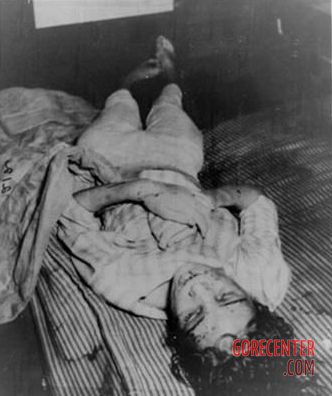
On October 26, 1965, Sylvia died in the Baniszewski home. Her body was found on a mattress and bore approximately 150 different injuries, including extensive bruising, burns, and other damage to the skin. The medical examiner determined that the primary cause of death was a subdural hematoma and shock, with her condition further worsened by severe malnutrition.
After her death, Gertrude Baniszewski attempted to convince police that Sylvia had been attacked by boys from the neighborhood. She even produced a letter that Sylvia had supposedly written, blaming other people for her suffering. Police soon discovered that the story did not match reality. Jenny Likens played a key role when she eventually told officers what had actually been happening in the house after police arrived.
Gertrude Baniszewski, her daughter Paula Baniszewski, her son John Baniszewski Jr., and neighbors Coy Hubbard and Richard Hobbs went to trial. Stephanie Baniszewski, who was fifteen at the time, also testified about what had happened in the house. The 1966 trial attracted enormous attention, and the prosecutor described the case as one of the worst crimes Indiana had ever seen.
On May 19, 1966, Gertrude Baniszewski was found guilty of first-degree murder and sentenced to life in prison. Paula Baniszewski was convicted of second-degree murder. John Baniszewski Jr., Coy Hubbard, and Richard Hobbs were also convicted, although their sentences were significantly lighter.
The case of Sylvia Likens remains a symbol of how prolonged violence can escalate when an abuser has control over a victim and those around them fail to protect her. This was not a single attack, but a months-long process of systematic humiliation, beatings, starvation, and injury, in which other people gradually became involved. By the end, Sylvia was so weakened and injured that she could no longer escape.
READ MORE:
https://en.wikipedia.org/wiki/Murder_of_Sylvia_Likens
This post has been tagged as a "child warning" and may contain minors. It has been published because it is informative or educational, may be relevant to the research of invesigative journalists, or could be misused as fake news in hybrid warfare.
It is strictly forbidden to sexualize a minor in any way in the comments below the post. It is also forbidden to upload uncensored images in comments. Such behavior will result in a perpetual BAN or providing your information to the police.
If you notice such behaviour, please report it by using the red flag icon.